
Dry eye · warm compress
Warm compress for dry eyes: how to do it properly
The simplest thing you can do for dry, gritty eyes, and the thing most people do wrong. Why heat helps, which mask to use, and a routine you can start tonight.
By Sohail Khan, Optometrist and Director, who has dry eye himself · Checked by Abra Arshad, Optometrist and Clinical Director · Updated 12 October 2026 · 11 min read
A warm compress helps dry eyes by softening the oil that has thickened inside the glands in your eyelids, so it can flow onto your tears again. Use a heated eye mask, not a flannel: a flannel cools within about a minute. Hold gentle warmth on closed eyes for 10 minutes, every day, then massage the lids gently towards the lashes and clean the lid edges. Give it a few weeks before you judge it.
On this page
- Why heat helps dry eyes
- Which warm compress or eye mask is best?
- How to do a warm compress: step by step
- How often, and how long before it works?
- The step people skip
- Is a warm compress safe? Who should be careful
- Common warm compress mistakes
- What a warm compress can and can’t do
- When you need more than a warm compress
- Questions people ask
Why heat helps dry eyes
Your tears sit on the eye in three layers: mucus closest to the eye, then water, then a very thin layer of oil on top. The oil stops the water evaporating between blinks.
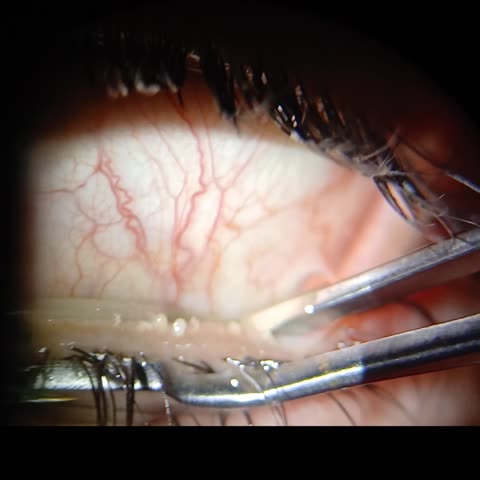
The oil comes from the meibomian glands, a row of tiny glands inside each eyelid. Every blink squeezes a little out onto the tears. Healthy oil is runny at the normal temperature of your eyelid, a bit like olive oil. In meibomian gland dysfunction (MGD), the oil turns thick and waxy, more like butter in the fridge. It needs a few degrees more warmth than your lids normally have before it softens. Thick oil blocks the glands, the tears dry up in seconds, and your eyes feel gritty, tired or burning.
Gentle heat raises the lids just enough to soften that oil, and a massage straight afterwards helps it move out. That is the whole idea.
Blocked glands are the most common reason for dry eye, which is why a warm compress is the first thing most guidance suggests. It also helps blepharitis, where inflamed lid edges often block the glands too. If you are not sure dry eye is what you have, try the 60-second dry eye check first.
Which warm compress or eye mask is best?
The best compress holds a steady, gentle warmth for the full ten minutes, and is one you will use every day. We don’t recommend a brand. What matters is how the mask behaves.
- Microwavable bead maskA fabric mask filled with small beads or seeds that you warm in the microwave. Holds heat well and is cheap. Follow the heating time exactly, to avoid hot spots.
- USB or electric maskKeeps a set temperature, often with a timer. The most consistent warmth. Choose one that switches itself off.
- Self-heating maskSingle-use masks that warm up when you open the pack. Good for travel, but costly to use every day.
- Flannel or hot towelA poor substitute. A flannel cools within about a minute, so the oil never stays warm long enough to soften.
Look for a mask that covers upper and lower lids, sits gently rather than pressing, and has a washable cover. A medical heat mask holds your lids at around 40 to 42 degrees. At home, go by feel: warm and comfortable, never hot.
How to do a warm compress: step by step
This is the routine we give people. It takes about fifteen minutes, and you can start tonight.
- Take out contact lenses and remove eye make-up. Wash your hands.
- Warm the mask exactly as the instructions say. For a bead mask, shake or knead it afterwards so the heat spreads evenly and there are no hot spots.
- Test it on the inside of your wrist. It should feel pleasantly warm, like a warm bath. If it feels hot on your wrist, it is too hot for your eyelids, which have much thinner skin. Let it cool a little and test again.
- Close your eyes and lay the mask over both eyes. Don’t press it into your eyes.
- Keep it there for 10 minutes. Set a timer. If a bead mask cools early, re-warm it briefly and test it on your wrist again.
- Massage straight away, while the oil is still soft. With a clean fingertip, eyes closed, roll gently from the top of the upper lid down towards the lashes, and from the bottom of the lower lid up towards the lashes. You are guiding the oil out, not pressing on the eye. About half a minute per lid is plenty.
- Clean the lid edges. Use a lid wipe or lid cleanser along the base of the lashes, upper and lower, to clear the oil and debris you have just loosened.
- Blink a few times. Your vision may be a little smeary for a few minutes as the oil spreads. That is normal and should clear.
For crusty lids and the full home routine, see our lid care routine for blepharitis.
How often, and how long before it works?
Every day, for 10 minutes. That is the advice on our MGD treatment page. The same time each day makes it a habit, and evenings suit most people.
Some people feel a little more comfortable the first night. But oil that has been thick for months does not flow normally after one session. Give it several weeks of doing it every day before you decide whether it is working.
When a warm compress “didn’t work”, it was usually done for a few days, or only on bad days. Glands that are cleared and then left soon block again.
Once your eyes are comfortable, keep going to keep them that way. MGD is usually managed rather than gone for good. See does dry eye go away?
Doing it every day and still gritty?
Every treatment starts with a free consultation with one of our optometrists. We look at your oil glands, tell you why the heat isn’t reaching them, and if treatment isn’t right for you, we say so before anything starts.
The step people skip
I have dry eye myself, and it is the reason I stopped wearing contact lenses. I know how easy it is to wear a warm mask for ten minutes and think the job is done.
It isn’t. The heat only softens the oil. The gentle massage and the lid clean afterwards are what get it out. Don’t skip those two minutes.
Is a warm compress safe? Who should be careful
Done gently, a warm compress is very safe for most adults. The risks are too much heat, too much pressure, or the wrong kind of eye problem.
Don’t use a warm compress, and get advice first, if:
- One eye is very red, painful, or sensitive to light, or your vision has dropped. That is not dry eye. See the urgent signs and get seen today.
- You may have an eye infection, such as sticky yellow or green discharge, or a red, painful eye while wearing contact lenses.
- You have had eye surgery, including cataract or laser surgery. Use heat or massage only when your surgeon says it is fine. See dry eyes after eye surgery.
- You have had glaucoma surgery or a corneal graft, or have keratoconus. Ask before pressing on the eye.
- You have reduced feeling in your face, for example from diabetes, so may not notice if it is too hot.
Burns are the main risk. Eyelid skin is some of the thinnest on your body, and an overheated mask can burn it. Follow the heating time, test on your wrist, and never fall asleep with a heated mask on unless it is designed to switch itself off.
Children can use a warm compress if an optometrist or doctor has suggested it,, with an adult testing the temperature and staying with them. Not on a baby unless you have been told to.
A tender lump on the eyelid is a different problem, and has its own advice: see stye or chalazion. If you are unsure whether a red eye is serious, don’t start home treatment. Call one of our practices or NHS 111.
Common warm compress mistakes
- Too hot. More heat doesn’t work faster, and can burn.
- Too short, or a flannel. Two minutes, or a flannel that cools within about a minute, barely warms the lids.
- Pressing hard. Pushing on the eyeball doesn’t empty the glands faster and can harm the eye.
- Skipping the massage and the clean. Heat on its own softens the oil but leaves it where it is.
- Only on bad days, or stopping after a week. The glands block again in between.
- A dirty mask. Wash the cover, don’t share it, and replace a mask that leaks or heats unevenly.
- Leaving contact lenses in. Take them out first. If lenses keep drying out, see why contact lenses dry out.
What a warm compress can and can’t do
| A warm compress can… | But it can’t… |
|---|---|
| Soften thickened oil in the glands | Reach the deepest, most hardened blockages |
| Ease grittiness and tired eyes, often within days | Settle ongoing inflammation of the lid edge, which keeps thickening the oil |
| Help keep glands flowing once they have been cleared | Bring back glands that have already been lost |
| Loosen crusting along the lashes before a lid clean | Get rid of eyelash mites on its own |
Drops add moisture but do not unblock glands, so many people use both. See the best eye drops for dry eyes. Heat also can’t fix what keeps blocking the glands: screens cut how often you blink, and rosacea inflames the lids.
When you need more than a warm compress
If your eyes are only mildly dry now and then, a warm compress and a lid routine may be all you ever need. You don’t need us for that.
Get your eyes looked at if, after several weeks of doing it properly every day, they are still gritty, burning or tired most days, or symptoms affect your work, driving or sleep. The glands are usually too blocked for home heat to reach, or something keeps blocking them.
That is when in-clinic treatment helps. We photograph your oil glands so you can see them, warm the lids with steam goggles at a controlled temperature, and clear each gland by hand. That is meibomian gland dysfunction treatment. If the problem keeps coming back, or there is a lot of inflammation, IPL treatment for dry eye works deeper than any mask can reach. If the lid edges are crusty or there are mites, we clean them properly in in-clinic blepharitis treatment.
The warm compress carries on between visits and afterwards. Every treatment and its price is on our dry eye clinic page.
Questions people ask
How long should I do a warm compress for dry eyes?
10 minutes, every day. Shorter than that and the oil in the glands doesn’t have time to soften. Then massage your lids gently and clean the lid edges straight after.
How hot should a warm compress be?
Warm and comfortable, never hot. In clinic, a heat mask holds the lids at around 40 to 42 degrees. At home, test the mask on the inside of your wrist first: if it feels hot there, it is too hot for your eyelids.
Does a warm compress help blepharitis?
Yes. It softens crusting and the oil in the glands, so the lid clean afterwards works better. If the lids stay crusty or itchy after a few weeks, eyelash mites are a common reason, and they need a different approach.
Can a warm compress make dry eye worse?
Not if it is done gently. Too much heat can burn the eyelid, and pressing hard on the eye can harm it. Brief blur afterwards is normal. If an eye becomes painful or red, or the blur doesn’t clear, stop and get it checked.
- Heat softens oil that has thickened in the glands of your eyelids
- Use a heated eye mask, not a flannel, which cools within about a minute
- 10 minutes, every day, warm and never hot: test it on your wrist
- Massage gently towards the lashes and clean the lid edges straight after
- Give it several weeks. If you’re still gritty, the glands may need clearing in clinic
Ready to find out why your glands keep blocking?
Most people start with EyeRelief, and it starts with a free consultation, at any of our five practices: Cheadle, Heald Green, Middleton, Winsford and Heckmondwike. No referral needed.
- Jones L et al. TFOS DEWS II Management and Therapy Report. The Ocular Surface, 2017.
- Geerling G et al. The International Workshop on Meibomian Gland Dysfunction: report of the subcommittee on management and treatment. Invest Ophthalmol Vis Sci, 2011.
- Blackie CA et al. Inner eyelid surface temperature as a function of warm compress methodology. Optometry and Vision Science, 2008.
- NICE Clinical Knowledge Summaries. Blepharitis and Dry eye disease.
- NHS. Blepharitis.