
Varifocal contact lenses · over forty
Varifocal contact lenses: near and far, without reaching for your readers.
If you’re holding your phone at arm’s length, or putting reading glasses on over your contact lenses, varifocal contact lenses end that. We fit them properly and tune them to your two eyes, because the fitting is what decides whether they work.
The problem
What people tell us about varifocal contact lenses.
- “I tried them once and nothing was sharp.”
- “I wear reading glasses over my contact lenses.”
- “I hold my phone at arm’s length.”
- “Night driving felt hazy in them.”
- “My eyes felt dry by the afternoon.”
- “Nobody told me they take a couple of weeks.”
All of these are common, and nearly all of them come down to the fitting, not to you.
Why us
Our optometrists fit varifocal contact lenses every week at all five practices, soft and rigid, dailies and monthlies, with astigmatism or without.
4.9 ★ from 600+ Google reviews
“Explains everything in detail and happily helps with any issues you have.”Patient survey
How they work
How do varifocal contact lenses work?
They work differently from varifocal glasses, and knowing how makes the first fortnight much easier.
- 1
Rings of different power
A varifocal contact lens has rings or zones for distance and for near, one inside the other, all sitting over your pupil at once.
- 2
Your brain picks the one it needs
Unlike glasses, you don’t look through a different part of the lens. Your brain learns to use the clear image for whatever you are looking at, near or far, and ignore the other.
- 3
A week or two to settle
That learning takes a little time. Most people find it clicks within a week or two. This is why we give you trial lenses to wear in your real life before anything is ordered.
- 4
The honest compromise
Near and far both work well, but neither is quite as crisp as a single-distance lens, and in dim light some people notice halos at first. We tune the lenses so the compromise lands where it matters least to you.
Why ours work
Why the fitting decides whether they work
When varifocal contact lenses fail, it is usually because they were handed over rather than fitted. Here is what we do differently.
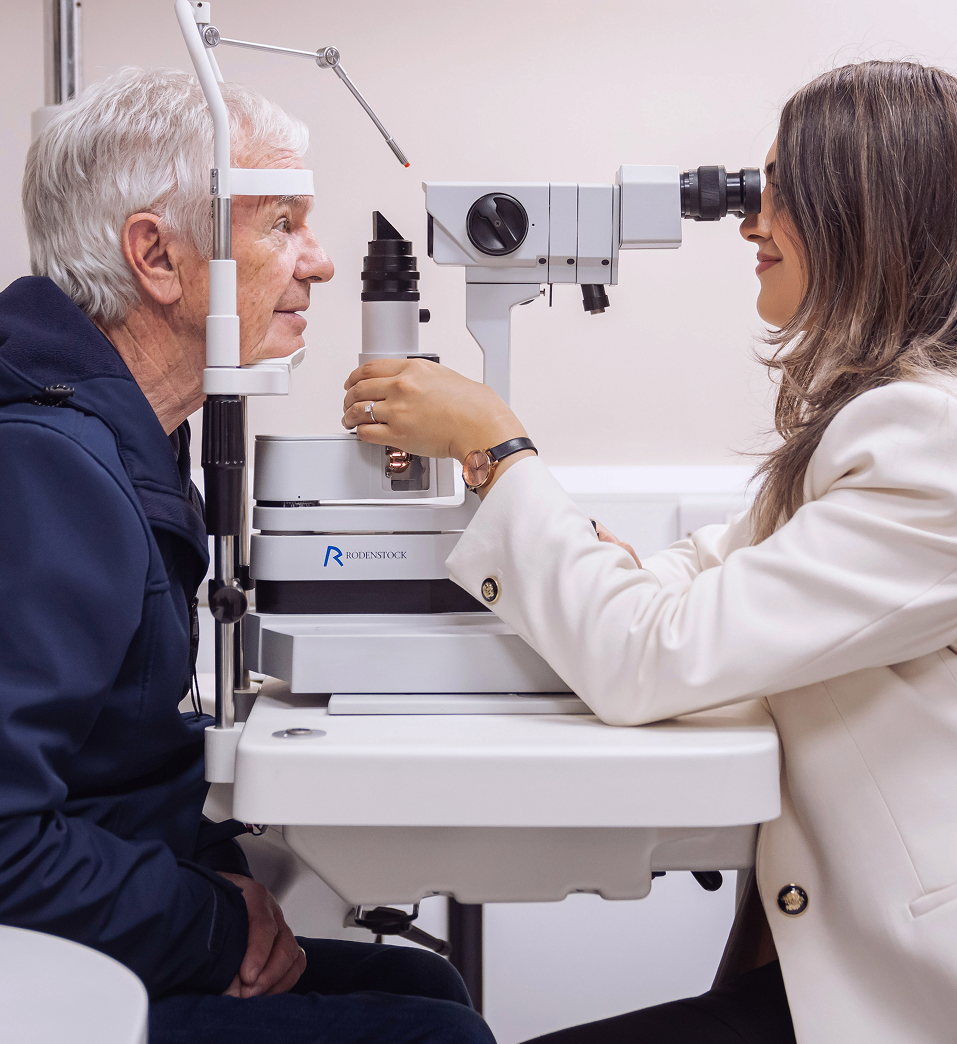
Most people have one eye that takes charge for distance. We find it, because the lens for that eye is set up differently from the other.
We can tilt one eye a little towards distance and the other towards near. Getting that balance right is what makes both feel clear.
A screen, a menu and a book sit at different distances. We set the reading part for the one you use most.
A dry eye blurs a varifocal contact lens more than any other. We look at your tear film and the oil glands in your lids before we fit, and sort it first if it needs it.
Tried them before and given up? Why the first pair often fails → · Prefer glasses? How varifocal glasses work →
How we fix each one
Six problems, six answers.
 “I tried them once and nothing was sharp.”
Usually the balance between the two eyes was never tuned, or nobody explained the settling-in fortnight. We adjust until near and far both work.
 “I wear reading glasses over my lenses.”
Varifocal contact lenses put the reading power into the lens itself, so the readers can go back in the drawer.
 “I hold my phone at arm’s length.”
That is your reading power catching up with you after forty. We set the reading part of the lens for the distance you use most.
“Night driving felt hazy.”
Some halos in dim light are normal at first. If they stay, we change the design or the balance, or suggest glasses for night driving.
“My eyes felt dry by the afternoon.”
Dry eyes blur these lenses more than any other. We check your tears first, and treat them if they need it.
“Nobody told me they take a couple of weeks.”
We tell you before you start, give you trial lenses for your real life, and see you again before anything is ordered.
Your options
Your options once you need help up close
Every lens on this page is fitted at all five practices. The fitting decides, with you.
Soft multifocal lenses
Daily or monthly, with zones for distance and near that your eyes learn to use. The usual first choice, and the one most people settle into within a fortnight.
Monovision
One eye corrected for distance, the other for near. Suits some people better than a multifocal, and the fitting compares both.
Multifocal RGP and scleral lenses
Rigid multifocal lenses for high prescriptions, astigmatism or eyes that never got sharp vision in soft lenses. The sharpest option, with a settling-in period, fitted at every practice.
Dailies plus reading glasses
Distance lenses with a pair of readers for small print. Honest, simple, and right for some people.
The plan
How it works
- 1Book a contact lens fitting
Thirty minutes with an optometrist, £95. We find your leading eye, check your tears and choose the lens with you. If you’re new to lenses, the trial pair is free.
- 2Wear them for a week or two
At work, on your phone, in the car. This is when your brain learns the lens.
- 3Fine-tuned, then ordered
At the follow-up we adjust the design or the balance until near and far both work. Only then do we order your supply.
What you get. Your phone, the menu and the road, all without reaching for your readers.
Put it off, and you keep juggling reading glasses on top of your contact lenses.
Get the fit right, and you read the menu, check your phone and drive home without thinking about your eyes.
Five practices
Book a fitting at your nearest practice
Varifocal contact lenses are fitted at all five practices. Choose the one closest to you.
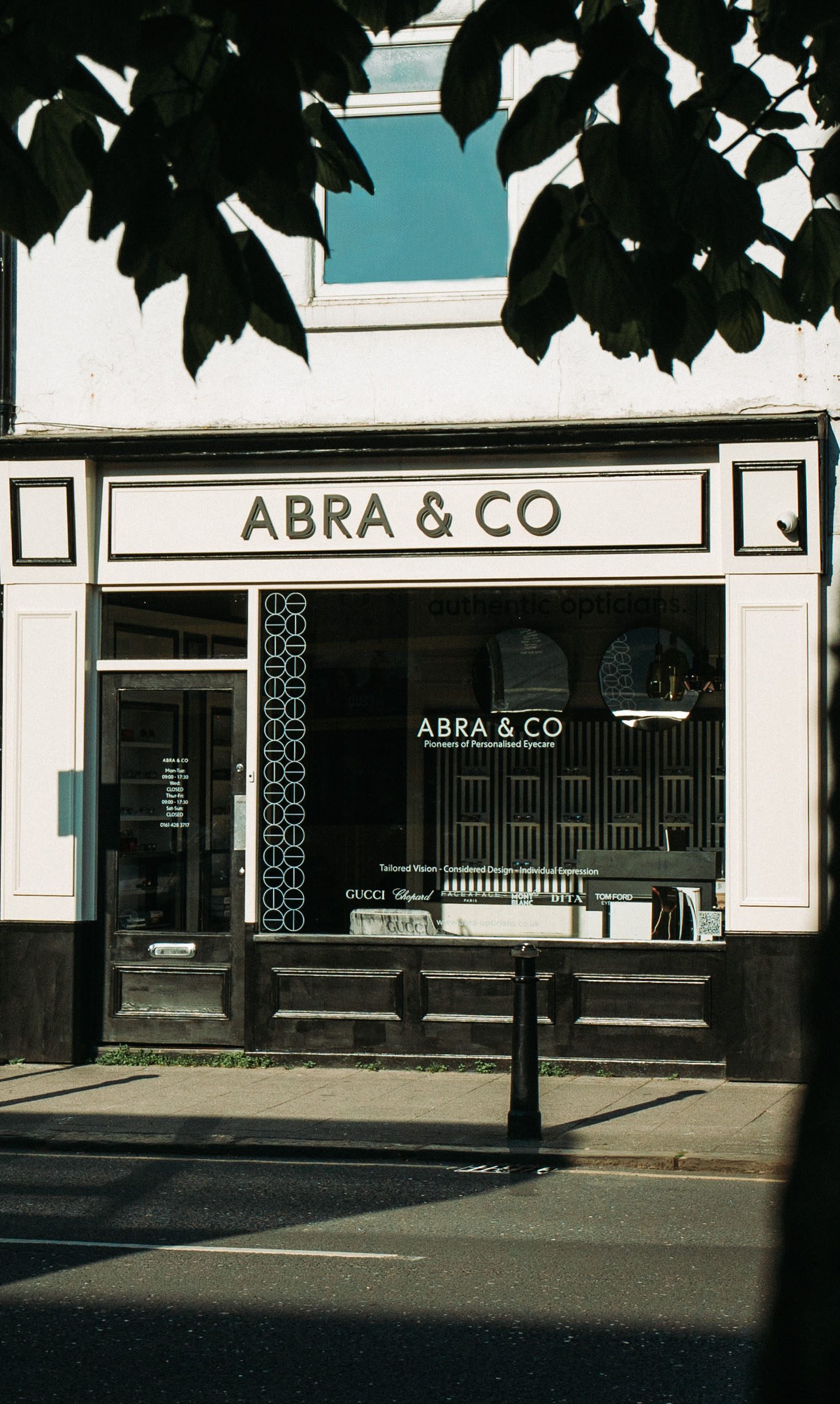 CheadleAbra & Co · 19 Wilmslow Road★ 4.9 · 106 Google reviewsOpticians in Cheadle →
Also near: Cheadle Hulme · Gatley · Bramhall · Stockport
 MiddletonAbra & Co · 36 Long Street★ 4.9 · 164 Google reviewsOpticians in Middleton →
Also near: Heywood · Chadderton · Blackley · Rochdale
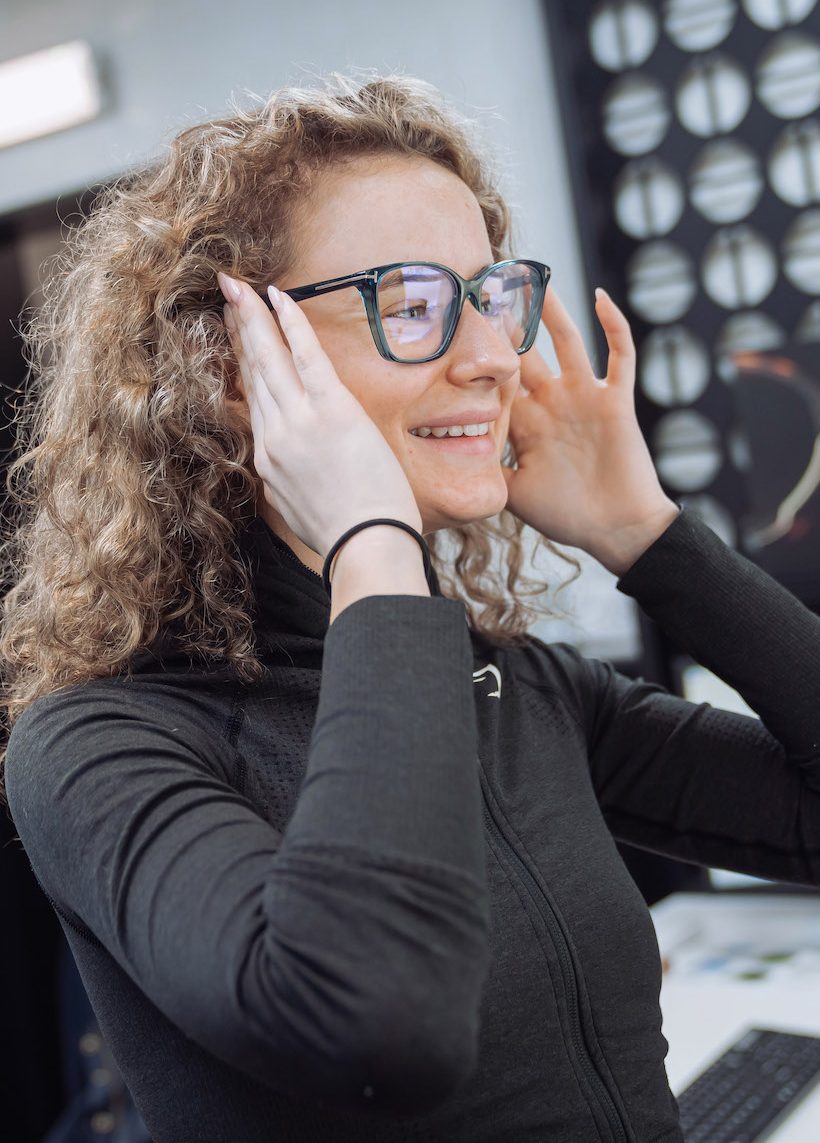 Heald GreenAshworth Opticians · 214 Finney Lane★ 4.9 · 131 Google reviewsOpticians in Heald Green →
Also near: Gatley · Wythenshawe · Sale · Altrincham
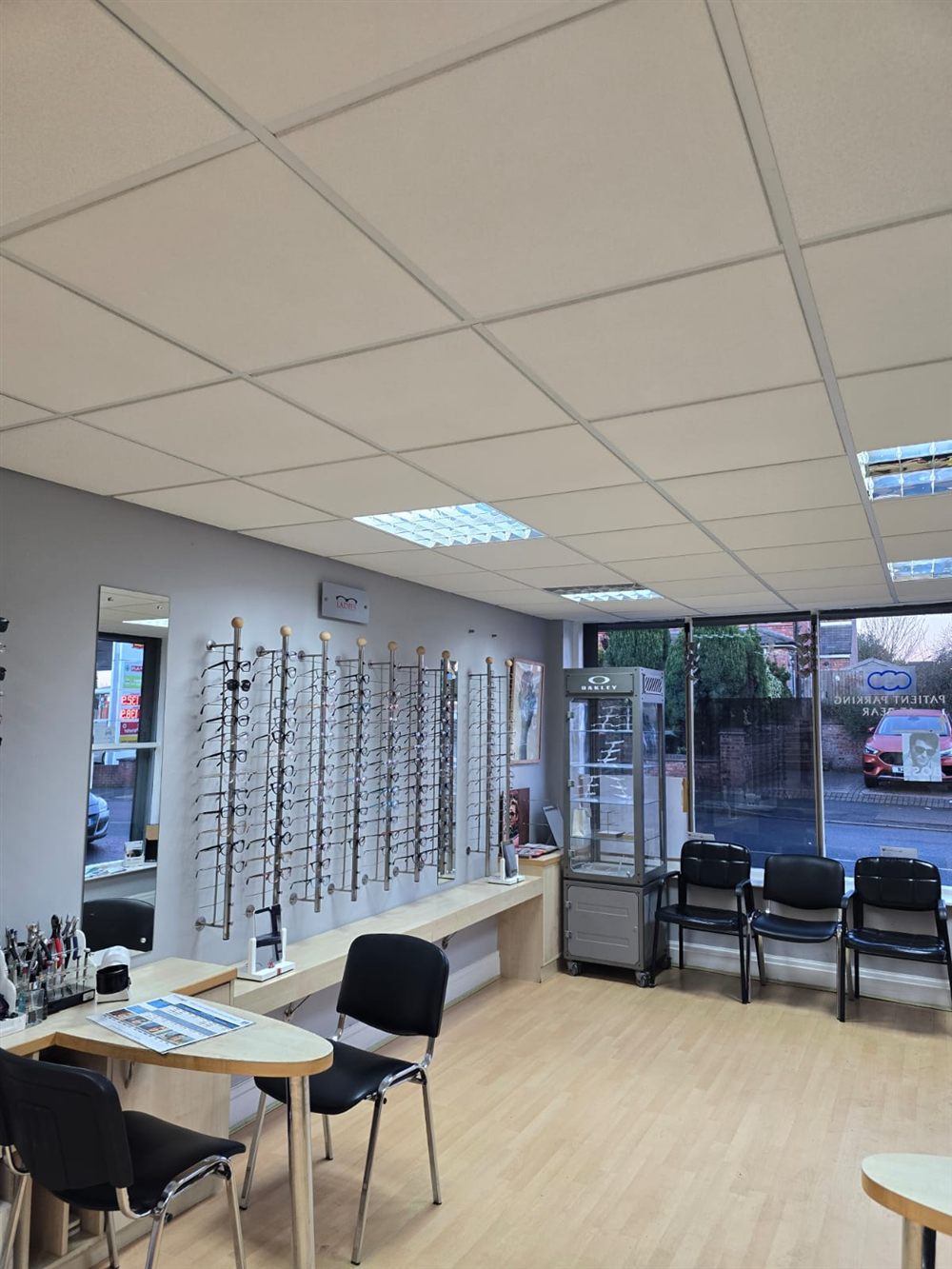 WinsfordWinsford Eye & Footcare · 27 Delamere Street★ 4.9 · 75 Google reviewsOpticians in Winsford →
Also near: Northwich · Middlewich · Knutsford · Crewe and Nantwich
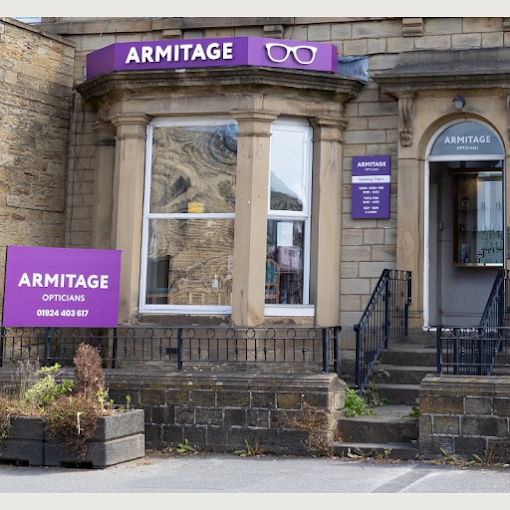 HeckmondwikeArmitage Opticians · 14 Market Street★ 4.9 · 133 Google reviewsOpticians in Heckmondwike →
Also near: Dewsbury · Batley · Mirfield · Cleckheaton
Free on the NHS if you qualify, £55 privately, at every practice. All five, with the towns each one serves →
Frequently asked questions
What are varifocal contact lenses?
Contact lenses that correct distance and near at the same time, for people over about forty who now need help reading. They are also called multifocal contact lenses.
How do varifocal contact lenses work?
They have rings or zones for distance and near that sit over your pupil together. Your brain learns to use the clear image for whatever you are looking at. Most people settle in within a week or two.
Can I drive in them?
Yes, once we have checked at the fitting that you meet the driving standard in them. Some people notice halos around lights at night at first. If that stays, we adjust the lenses, or suggest glasses for night driving.
Do they come as dailies?
Yes, as dailies and as monthlies. Dailies suit most part-time wearers and anyone who wants nothing to clean.
Will I see perfectly at all distances?
Very well at most, with a small compromise somewhere that most people stop noticing within a fortnight. If the compromise lands where you need sharpness, we adjust the design or the balance.
Can I have multifocals with astigmatism?
Yes, toric multifocals exist and we fit them.
Is there an alternative?
Monovision, one eye set for distance and one for near, suits some people. The fitting compares both.
What does the fitting cost?
£95, including the teaching and the follow-up check, with free trial lenses if you are new to lenses. Your lenses are then paid by monthly direct debit, from £11 a month, or per box.