
Dry eye · medicines
Medicines that cause dry eyes, and what to do about it
A lot of everyday tablets and drops can lower your tears or change the oil in them. Here is why it happens, which medicines are most likely to do it, and what to do, without stopping anything you need.
By Sohail Khan, Optometrist and Director, who has dry eye himself · Checked by Abra Arshad, Optometrist and Clinical Director · Updated 12 October 2026 · 11 min read
The medicines most likely to cause dry eyes are antihistamines, some antidepressants (especially the older tricyclics), bladder tablets such as oxybutynin, some blood pressure and water tablets, and isotretinoin for acne. Glaucoma drops with preservatives can do it too. If your eyes got worse after starting a medicine, it may be part of the cause. Do not stop or change a prescribed medicine yourself. Speak to your GP or pharmacist, and use preservative-free drops in the meantime.
On this page
- How a medicine can dry your eyes
- Which medicines can cause dry eyes?
- Can antihistamines cause dry eyes?
- Antidepressants and dry eyes
- Isotretinoin, HRT and hormones
- Glaucoma drops and preservatives
- Why I always ask what you take
- Never stop a medicine without speaking to your GP or pharmacist
- What to do in the meantime
- When you don’t need us, and when you do
- Questions people ask
How a medicine can dry your eyes
Your tear film has three layers: mucus next to the eye, which helps tears stick; water in the middle, made by the tear gland under your upper lid; and oil on top, made by the meibomian glands along your lid edges, which stops the water drying up between blinks. A medicine can upset any of them. There are four main ways.
1. Blocking the “make tears” signal
Your tear gland is switched on by a chemical messenger called acetylcholine. Many medicines block it. Doctors call this an anticholinergic effect. It is the same effect that gives you a dry mouth, so less signal means less water in your tears.
2. Lowering tears in other ways
Water tablets lower the fluid in your body. Some blood pressure tablets seem to reduce tear flow too, though exactly how is less clear.
3. Changing the oil glands
Medicines that shrink oil glands in the skin, such as isotretinoin, shrink the meibomian glands too. Hormones affect them as well. With a thin oil layer, tears evaporate in seconds even if you make plenty of water.
4. Preservatives in eye drops
Drops in multi-use bottles contain a preservative. The most common, benzalkonium chloride, works a bit like a mild detergent. Used now and then, it is fine. Used every day for years, as glaucoma drops often are, it can irritate the surface of the eye.
Often several things add up. For the full picture, read what causes dry eyes.
Which medicines can cause dry eyes?
These are the groups most often linked with dry eye, with common UK examples. It is not a complete list, and many people take these with no eye problems at all.
| Medicine group | Common UK examples | How it dries the eye |
|---|---|---|
| Antihistamines (allergy, hay fever, sleep aids) | Chlorphenamine (Piriton), promethazine, diphenhydramine (Nytol). Less so cetirizine, loratadine, fexofenadine | Anticholinergic. The older, drowsy ones dry the most. |
| Decongestants | Pseudoephedrine (Sudafed), phenylephrine, in many cold remedies | Dry up mucus in the nose, and in the eye |
| Tricyclic antidepressants (also for pain and sleep) | Amitriptyline, nortriptyline | Strongly anticholinergic, even at low doses |
| SSRI antidepressants | Sertraline, citalopram, fluoxetine | Linked in studies. Usually milder; the reason is less clear. |
| Bladder medicines | Oxybutynin, tolterodine, solifenacin | Strongly anticholinergic |
| Blood pressure: beta blockers | Atenolol, bisoprolol, propranolol | Seem to lower tear production |
| Water tablets (diuretics) | Bendroflumethiazide, indapamide, furosemide | Lower body fluid, and possibly tears |
| Isotretinoin (acne capsules) | Isotretinoin, still often called Roaccutane | Shrinks the lid oil glands. Can last after the course ends. |
| Retinoid skin creams | Tretinoin, adapalene, used near the eyes | Irritate the lids and lid edges |
| HRT and hormones | Oestrogen HRT, the combined pill, anti-androgens | Mixed evidence. Hormones affect the oil glands. |
| Some cancer medicines | Tamoxifen, anastrozole, letrozole, some chemotherapy and targeted treatments | Hormone changes, or direct effects on the glands |
| Parkinson’s medicines | Trihexyphenidyl, procyclidine | Anticholinergic. Parkinson’s also slows blinking. |
| Other anticholinergics | Hyoscine (travel sickness), some sleep, anxiety and antipsychotic medicines | Less water in the tears |
| Long-term eye drops with preservative | Glaucoma drops with benzalkonium chloride | The preservative irritates the eye’s surface |
The pattern to notice: if a medicine gives you a dry mouth, it is more likely to dry your eyes. Several drying medicines together add up.
Can antihistamines cause dry eyes?
Yes, and there is a twist. People often take antihistamine tablets for itchy, watery eyes in hay fever season. They ease the itch, but they also lower the water in your tears, so the eyes can end up dry and gritty instead.
The older, drowsy ones, such as chlorphenamine and those in sleep aids, dry the most. Non-drowsy cetirizine, loratadine and fexofenadine dry less, but still can. For itchy eyes, antihistamine eye drops treat the eye directly, and a pharmacist can help you choose. If watering is your main problem, it may be dry eye rather than allergy: see why dry eyes water.
Antidepressants and dry eyes
The older tricyclic antidepressants, such as amitriptyline, are the most drying. Amitriptyline is also widely used at low doses for nerve pain, headaches and sleep, so many people taking it don’t think of it as an antidepressant. SSRIs such as sertraline and citalopram are linked with dry eye too, though usually more mildly.
Please don’t stop an antidepressant because of your eyes. Stopping suddenly can cause withdrawal symptoms and bring back what it was treating. The dryness can usually be managed well while you carry on. If you want to talk about other options, your GP is the right person.
Isotretinoin, HRT and hormones
Isotretinoin
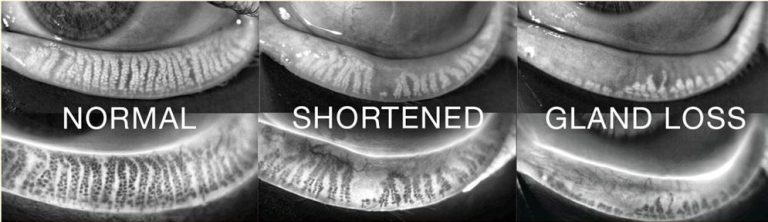
Isotretinoin shrinks the oil glands in your skin, and the oil glands in your lids shrink with them. Sore, dry eyes are common during a course. Most people improve afterwards, but for some the glands don’t fully recover and the dryness lasts. If your eyes are getting worse on it, have your glands checked rather than waiting. Contact lenses often feel worse too (see why contact lenses dry out).
HRT, the pill and other hormones
Here the evidence is honestly mixed. Sex hormones affect the oil glands, and studies of HRT disagree on whether it makes dry eye better or worse. HRT is not a dry eye treatment: don’t start or stop it for your eyes. The menopause itself causes dry eye too, so it is often hard to separate the medicine from the life stage. More in dry eyes and the menopause.
Dry eye is a known side effect of tamoxifen and of aromatase inhibitors such as anastrozole. It is treatable, and these medicines are far too important to stop.
Think a medicine is drying your eyes?
Every treatment starts with a free consultation with one of our optometrists. Bring a list of your medicines. We talk through what may be causing it, and if treatment isn’t right for you, we say so before anything starts.
Glaucoma drops and preservatives
If you use glaucoma drops, you may be putting a preservative on your eyes every day for years. Typical signs are red, gritty, burning eyes that got worse over months. Many glaucoma drops now come preservative-free. Ask your eye doctor or GP if one suits you.
Never stop glaucoma drops, even for a few days. Glaucoma sight loss cannot be reversed, and the drops prevent it. The same goes for preserved lubricating drops used many times a day: they can add to the problem, which is why we usually suggest preservative-free ones.
Why I always ask what you take
I have dry eye myself, so I know how easy it is to blame the weather or the screen. But one of the first things I ask every patient is: what medicines do you take, and when did you start them?
Often the timing fits. That doesn’t mean the medicine has to change. It means we understand why your eyes are the way they are, and treat them with that in mind.
Never stop a medicine without speaking to your GP or pharmacist
The medicine usually matters more than the dry eye
Blood pressure tablets, antidepressants, glaucoma drops and cancer treatments protect your health and your sight. Stopping them suddenly can be dangerous. Dry eye can almost always be managed while you keep taking what you need. Don’t stop, cut down or change a prescribed medicine on your own. The NHS gives the same advice.
What to ask your GP or pharmacist
Take a list of everything you use, including over-the-counter tablets, sleep aids and eye drops. Then ask:
- Could any of my medicines be drying my eyes?
- Is there a less drying medicine, or dose, that does the same job?
- Could I take it at a different time of day?
- Do I still need everything on my list?
- Is there a preservative-free version of my eye drops?
You can ask a pharmacist without an appointment. If we find a medicine is affecting your eyes, we can write to your GP with what we found, so they can decide.
What to do in the meantime
- Use a preservative-free lubricating drop regularly, not only when it is bad, and a gel at bedtime if mornings are worst. See which eye drops suit which dry eye.
- Look after the oil glands if your eyes burn or get worse through the day. A warm compress and lid clean helps the oil flow: our simple home lid routine shows how, and drops for blocked oil glands explains which drops add oil back.
- Blink and take screen breaks. Lower tears make screen work much harder. See screens and dry eyes.
- Keep fans, car vents and heating off your face, and drink enough water, especially on water tablets.
Not sure how bad yours is? Our free 60-second dry eye check gives you a score to bring to your GP or to us.
When you don’t need us, and when you do
If a medicine is short term, such as a week of hay fever tablets, the dryness usually settles soon after you stop. A lubricating drop meanwhile is enough. You don’t need an appointment.
Come and see us if you take a drying medicine long term and your eyes feel gritty or burning most days, if drops only help briefly, if your eyes are still sore after isotretinoin, or if it affects your work, driving or sleep. When the cause is blocked oil glands, drops alone rarely sort it. See how we treat blocked oil glands, or every treatment and price on our dry eye clinic page. For what to expect long term, read does dry eye go away?
Get seen the same day if you have:
A painful red eye, a sudden drop in vision, strong light sensitivity, or a red painful eye while wearing contact lenses. These are not typical of medicine-related dryness. Call one of our practices for an urgent appointment, or NHS 111. If it is severe and you can’t reach anyone, go to A&E. See all the urgent signs.
Questions people ask
Which tablets cause dry eyes the most?
Strongly anticholinergic ones: older antihistamines such as chlorphenamine, tricyclic antidepressants such as amitriptyline, and bladder tablets such as oxybutynin. Isotretinoin is also common because it shrinks the lid oil glands.
Will my eyes go back to normal if the medicine is stopped?
Usually, yes. Isotretinoin is the main exception: some people stay dry long afterwards. Never stop a medicine to test this without speaking to your GP or pharmacist.
Can sertraline cause dry eyes?
It can, though usually less than older tricyclics. Keep taking it and treat the dryness.
Can I use lubricating drops alongside my medicines?
Yes. They don’t usually interact with tablets. If you also use other eye drops, leave at least five minutes between different drops.
- Many common medicines lower tears or change the oil in them
- The most drying are antihistamines, tricyclic antidepressants, bladder tablets and isotretinoin
- If a medicine dries your mouth, it is more likely to dry your eyes
- Never stop or change a prescribed medicine yourself. Ask your GP or pharmacist
- Preservative-free drops and lid care help while you keep taking what you need
Keep your medicine. Sort your eyes.
Most people start with EyeRelief, and it starts with a free consultation, at any of our five practices: Cheadle, Heald Green, Middleton, Winsford and Heckmondwike. Bring your list of medicines. No referral needed.
- Gomes JAP et al. TFOS DEWS II Iatrogenic Report. The Ocular Surface, 2017;15(3):511–538.
- Gomes JAP et al. TFOS Lifestyle: Impact of elective medications and procedures on the ocular surface. The Ocular Surface, 2023;29:331–385.
- Wong J, Lan W, Ong LM, Tong L. Non-hormonal systemic medications and dry eye. The Ocular Surface, 2011;9:212–226.
- NICE Clinical Knowledge Summaries. Dry eye disease: causes (revised 2023).
- NHS. Dry eyes.
- NHS. Side effects of isotretinoin capsules.