
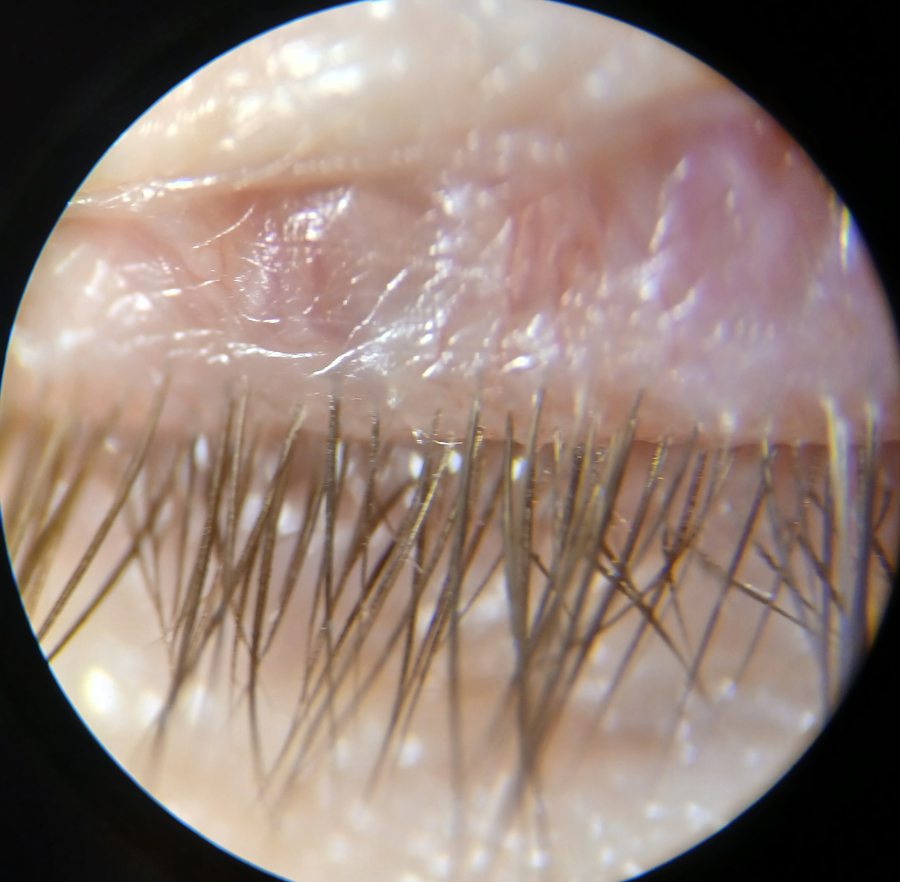
Bifocals · from £224
Worn bifocals for years and happy with them? We still make them, and make them well.
A bifocal is two lenses in one: distance across the top, a large, steady reading area at the bottom, and a line between. Some people have worn them happily for years, and some tried varifocals and came back. We make them properly, and set them at the right height for you.

The problem
What people tell us about bifocals.
- “I tried varifocals and couldn’t get on with them.”
- “Every optician tries to talk me into varifocals.”
- “The reading part is in the wrong place.”
- “My computer is blurry through both parts.”
- “The line catches me on the stairs.”
- “My lenses are thick and heavy.”
All fair, and all fixable. A bifocal made and fitted properly is a very good lens.
Why us
Our team fits lenses every day across five practices. We use Zeiss, Hoya, Rodenstock and Essilor, with Hoya our first choice, and we can get almost any lens you need.
4.9 ★ from 600+ Google reviews
“I have been a customer for more than 15 years and I wouldn’t consider going anywhere else.”Patient survey
How bifocals work
Two lenses in one, with a line between
- 1
The top: distance
Most of the lens is your distance prescription, so you look straight ahead through it for walking, driving and the room around you.
- 2
The segment: reading
A window at the bottom with your reading power in it. You lower your eyes to read, and the whole window is clear, edge to edge, with no soft areas.
- 3
The line
Where the two meet. As your eye crosses it, things can seem to jump slightly. The flat-top segment we use keeps that jump small, and most people stop noticing it within a day or two.
- 4
The honest gap
Arm’s length, the dashboard or a computer screen, falls between the two zones, and the stronger your reading prescription, the more you notice it. If that matters for you, we talk about a varifocal or an office pair alongside.
How we fix each one
Six problems, six answers.
 “I couldn’t get on with varifocals.”
You are not alone, and bifocals are still a good lens. We make them properly, and we can tell you why the varifocals didn’t work, free.
“The best optician I have dealt with.”
 “Every optician pushes varifocals.”
We don’t. We explain both honestly, and if bifocals suit you, that is what we make.
 “The reading part is in the wrong place.”
We measure the segment height in your frame, at your lower eyelid, and adjust it for how you use your glasses.
“I was shown the scans and everything was clearly explained to me.”
“My computer is blurry.”
Arm’s length falls between the two zones. An office pair for the desk fixes it, or a varifocal if you want one pair.
“The line catches me on the stairs.”
Dip your chin and look through the top of the lens. If the segment sits too high, we lower it.
“I was informed of everything that was to happen in my eye test, and it was a very thorough appointment.”
“Thick and heavy.”
Bifocals come in thinner lenses too. We tell you which thickness your prescription needs.
Choosing
Bifocal, varifocal, or two pairs?
None of them is the right answer for everyone. Here is the honest difference, and we help you work out which suits your day.
| Bifocal | Varifocal | Two pairs | |
|---|---|---|---|
| A visible line | Yes | No | No |
| Reading area | Large and steady | Narrower, wider at higher levels | The whole lens |
| Screen and arm’s length | Not really | Yes, in the middle of the lens | Only in an office pair |
| Getting used to it | A day or two | A few days, less at higher levels | Nothing to learn, but you swap glasses |
| Best for | Reading a lot, wanting it simple | Everything in one pair | Long spells of one task |
How varifocals work → · Lenses for screens and desks → · Reading glasses and single vision →
It depends on you
The right bifocal depends on you.
How much you read, whether you use a screen, and how much you are on your feet. That decides where the reading segment sits.
How strong your reading power is. The stronger it is, the more the gap at arm’s length shows.
Tell us what you want to spend. We show you what each option gives you for the money.
Your face and your style. The frame has to be deep enough to hold the reading segment, so we choose it together.
We take all four into account, explain your options in a way that makes sense, and you choose.
Spread the cost
Interest free: half today, the rest over 4, 6, 8 or 10 months.
On any glasses and lenses, at every practice. Pay half on the day you order, then choose how many months to spread the rest over. No interest, and nothing added.
Prices
What bifocals cost
Prices are for a pair of lenses. Frames are extra, from £70. A hard coat protects against scratches. Anti-reflection also cuts glare and reflections.
Bifocal lenses
The thickness you need depends on your prescription, and we tell you which.
| Thickness | Hard coat | Anti-reflection |
|---|---|---|
| Standard | £224 | £234 |
| Thin and light | £284 | £305 |
| Extra thin | Not available | £374 |
| Ultra thin | Not available | £454 |
Tinted, photochromic and polarised
All with anti-reflection. Photochromic lenses darken in sunlight and clear indoors. Polarised lenses cut glare from wet roads and water.
| Thickness | Tinted | Photochromic | Polarised |
|---|---|---|---|
| Standard | £264 | £315 | £314 |
| Thin and light | £334 | £384 | £384 |
| Extra thin | £394 | £414 | £414 |
| Ultra thin | £464 | £505 | £505 |
The plan
How it works
- 1Book an eye test, or bring your prescription
Forty-five minutes with the optometrist, or bring the prescription from your last test.
- 2We explain, you choose
Bifocal or varifocal, honestly, with every price on paper.
- 3Measured and fitted
The reading segment set to the right height for you, in your frame. Within sixty days, if they’re not right, we change them.
What you get. A reading area you never have to hunt for.
Get the height wrong and you fight the line every time you read or walk down the stairs.
Get it right and you read in comfort, and forget the line is there.
Five practices
Book at your nearest practice
Bifocals at all five. Choose the one closest to you.
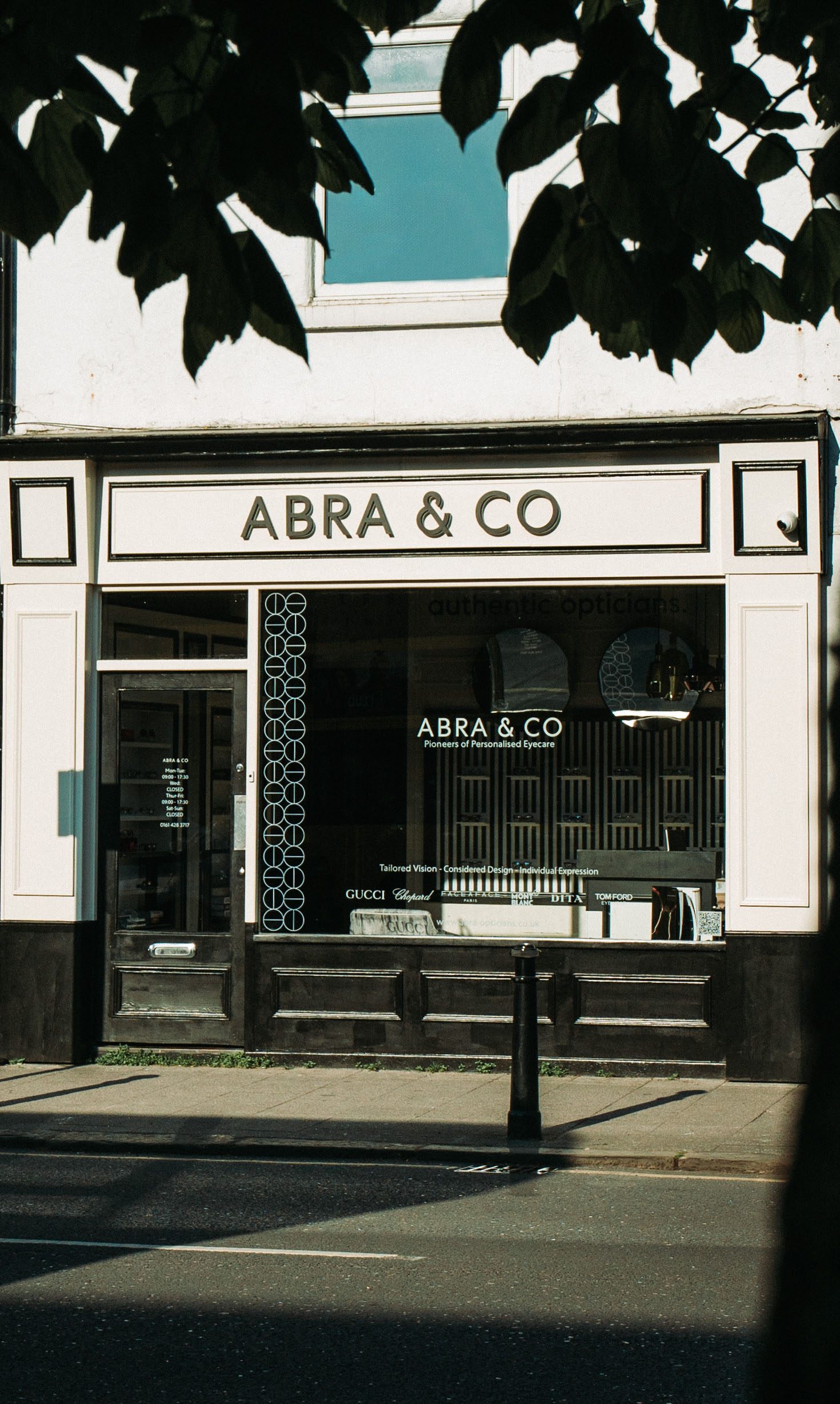 CheadleAbra & Co · 19 Wilmslow Road★ 4.9 · 106 Google reviewsOpticians in Cheadle →
Also near: Cheadle Hulme · Gatley · Bramhall · Stockport
 MiddletonAbra & Co · 36 Long Street★ 4.9 · 164 Google reviewsOpticians in Middleton →
Also near: Heywood · Chadderton · Blackley · Rochdale
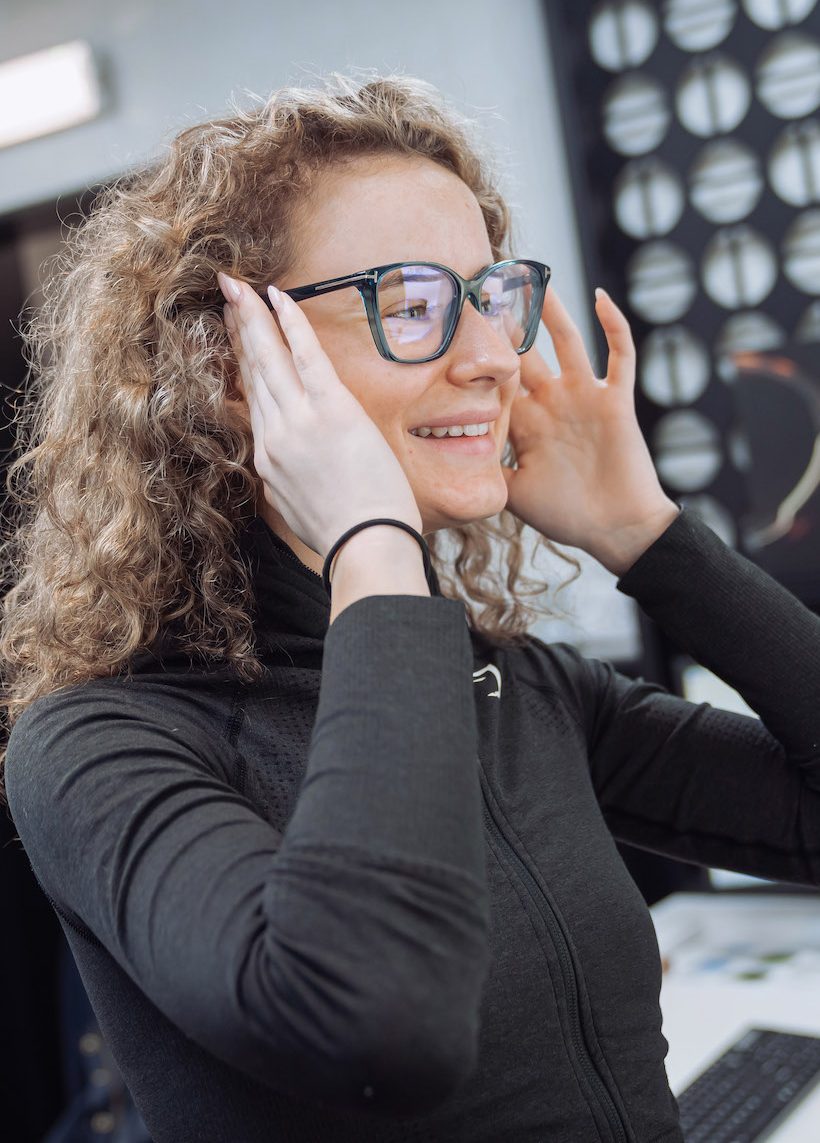 Heald GreenAshworth Opticians · 214 Finney Lane★ 4.9 · 131 Google reviewsOpticians in Heald Green →
Also near: Gatley · Wythenshawe · Sale · Altrincham
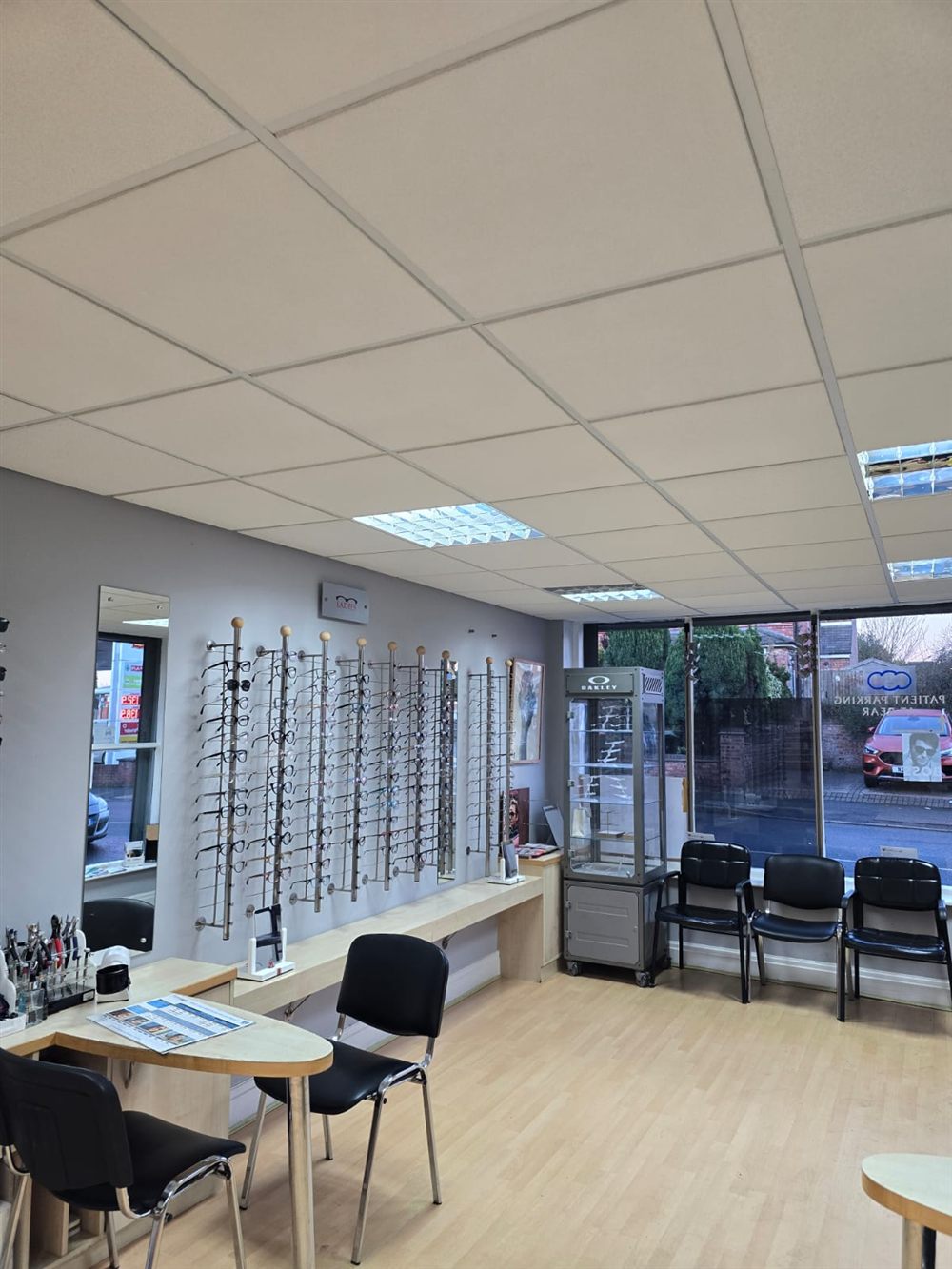 WinsfordWinsford Eye & Footcare · 27 Delamere Street★ 4.9 · 75 Google reviewsOpticians in Winsford →
Also near: Northwich · Middlewich · Knutsford · Crewe and Nantwich
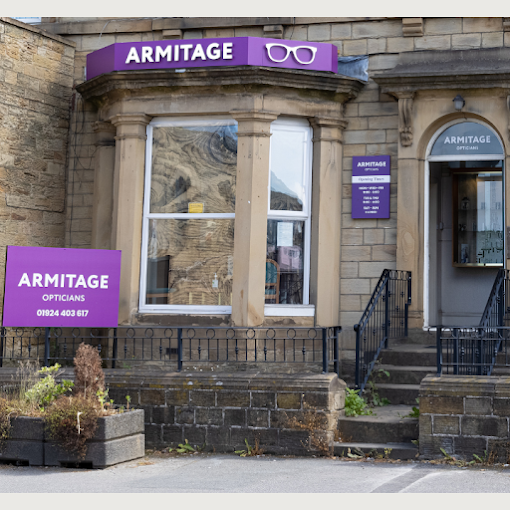 HeckmondwikeArmitage Opticians · 14 Market Street★ 4.9 · 133 Google reviewsOpticians in Heckmondwike →
Also near: Dewsbury · Batley · Mirfield · Cleckheaton
Free on the NHS if you qualify, £55 privately, at every practice. All five, with the towns each one serves →
Frequently asked questions
Do you still make bifocals?
Yes, at all five practices, in standard and thinner lenses, with anti-reflection, tints, photochromic or polarised if you want them.
How do bifocals work?
Your distance prescription across the top of the lens, and a reading segment at the bottom with your reading power in it. You look straight ahead for distance and lower your eyes to read.
Should I switch to varifocals?
Only if you want to. Varifocals give smoother vision with no line, and the screen in the middle. Bifocals give a bigger, steadier reading area. We talk you through both, and you choose.
Why is my computer blurry in bifocals?
Arm’s length falls between the distance part and the reading part, so a screen can be out of focus in both. The stronger your reading prescription, the more you notice it. An office pair for the desk, or a varifocal, solves it.
How high should the reading part be?
Usually with its top edge level with your lower eyelid. We measure it in your frame, then adjust it for what you do: a little higher if you read most of the day, a little lower if you’re on your feet and walking.
What do bifocals cost?
From £224 for standard lenses with a hard coat, or £234 with anti-reflection. Thinner lenses, tints, photochromic and polarised are all available, and every price is on paper before you choose.
Can I use my NHS voucher?
Yes. If you qualify for an NHS voucher, it goes towards your bifocals.