
Night driving · glare, haloes, starbursts
Dreading driving at night? Here is what actually helps.
Headlights that starburst, haloes round every lamp, a wet road that turns into a mirror. Some of it is the lenses you are wearing, some of it is your eyes. Here is what helps, and what the evidence says about the tinted glasses you may have seen advertised.
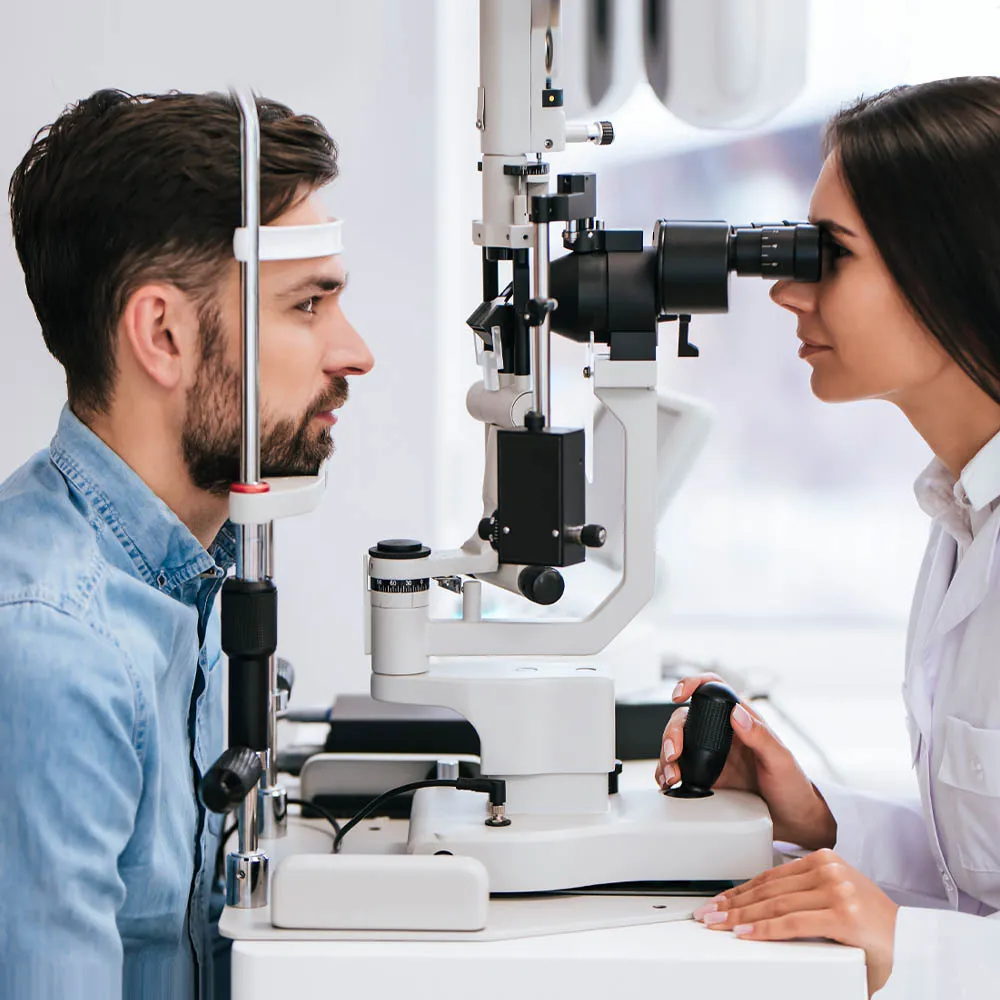
Which one is you?
Four things people describe, and what each usually is.
 “Oncoming headlights are blinding.”
The first thing an early cataract does. The lens inside the eye going cloudy scatters light, and headlights are where you notice it. Common from the sixties on, visible on the eye test in seconds, treatable. No spectacle lens fixes it.
“Thorough examination, and clear feedback.”
 “Haloes round every light, and they come and go.”
Haloes that change with each blink and lights that smear late in a drive are an unstable tear film: dry eye. Very common, very under-diagnosed, and treatable. The sixty-second check tells you whether it is likely.
“I was shown the scans and everything was clearly explained to me.”
 “Every light is a starburst.”
Half a dioptre of uncorrected astigmatism turns a point of light into a star. The fix is boring: the right prescription, which the eye test finds.
“Always professional and friendly. You never feel rushed.”
“Ghost images and a glow round the lights.”
Reflections inside the lens. A good anti-reflection coating removes most of them, and it should be on every pair you drive in. The single biggest difference a lens can make.
“Expert advice without any pressure.”
The Gold examination, £95, finds which of the four it is.
First
The two things to rule out before buying any lens
Cataract
The lens inside the eye going cloudy scatters light, and the first place you notice it is oncoming headlights. Common from the sixties on; visible on the eye test in seconds; treatable. If this is the cause, no spectacle lens fixes it.
Dry eye
An unstable tear film scatters light too: haloes that come and go as you blink, and lights that smear late in a drive. Very common, very under-diagnosed. The sixty-second check tells you whether it is likely; the Dry Eye Assessment tells you for sure.
Both take minutes to check on a normal eye test, which is why the answer to “what glasses for night driving” starts with an eye test.
Then
The lenses that help, in order of how much
An up-to-date prescription
Half a dioptre of uncorrected astigmatism turns a point of light into a star. The right prescription is the first fix and often the only one needed.
Anti-reflection coating
The single biggest difference. Reflections inside the lens cause the ghost images and the halo round every light; a good coating removes most of them. On every pair you drive in.
Driving lens designs
A single-vision or varifocal lens optimised for dashboard-to-road distances and low light, with the coating built in. Worth it if you drive a lot at night; not essential if you do not.
Polarised sunglasses for the day
For the low sun and the wet-road glare the same drivers complain about at four o’clock in November.
About tinted night glasses
The yellow glasses in the adverts
What they claim
Less glare, sharper vision at night.
What the trials found
A tint cuts the amount of light reaching your eye, at night, when you need every bit of it, and controlled trials found no improvement in seeing pedestrians.
What does the job
Anti-reflection coating on clear lenses. It removes the reflections the tint promises to remove, without taking away the light.
Five practices
Book a Gold eye examination
Say night driving is the problem when you book, and the test is steered that way. All five practices.
 CheadleAbra & Co · 19 Wilmslow Road★ 4.9 · 106 Google reviewsOpticians in Cheadle →
Also near: Cheadle Hulme · Gatley · Bramhall · Stockport
 MiddletonAbra & Co · 36 Long Street★ 4.9 · 164 Google reviewsOpticians in Middleton →
Also near: Heywood · Chadderton · Blackley · Rochdale
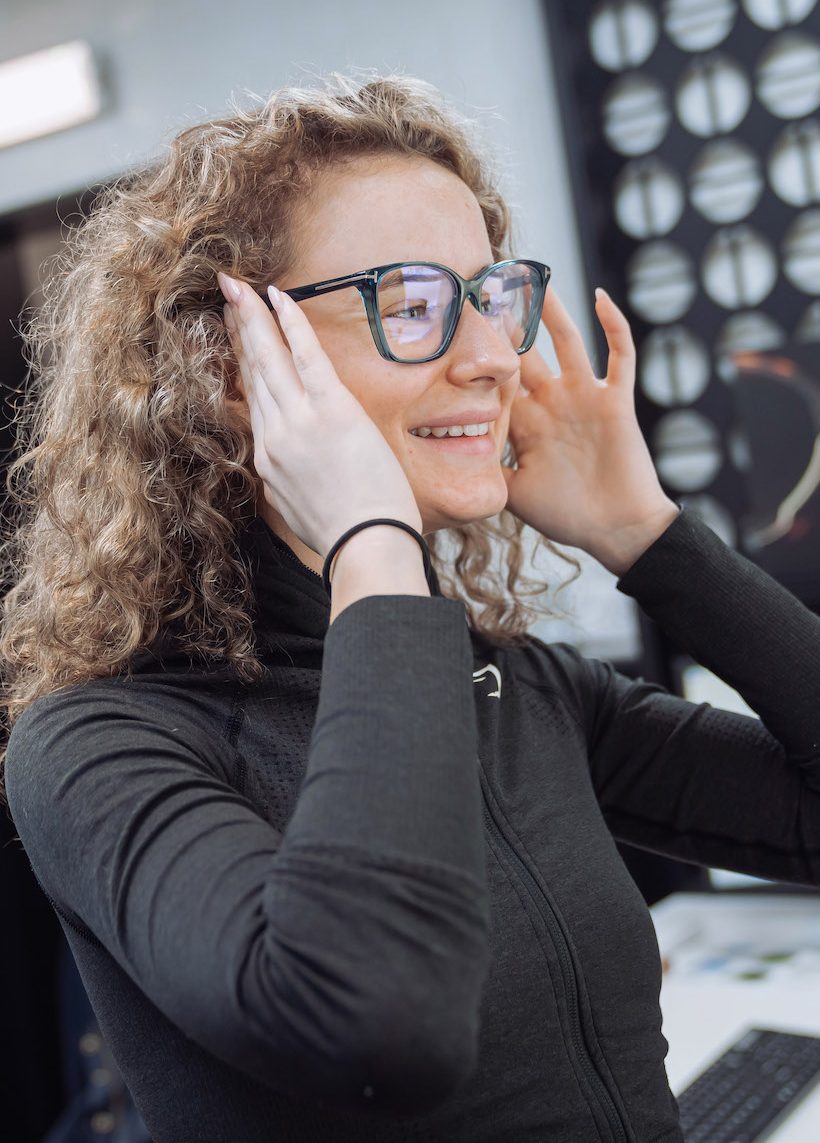 Heald GreenAshworth Opticians · 214 Finney Lane★ 4.9 · 131 Google reviewsOpticians in Heald Green →
Also near: Gatley · Wythenshawe · Sale · Altrincham
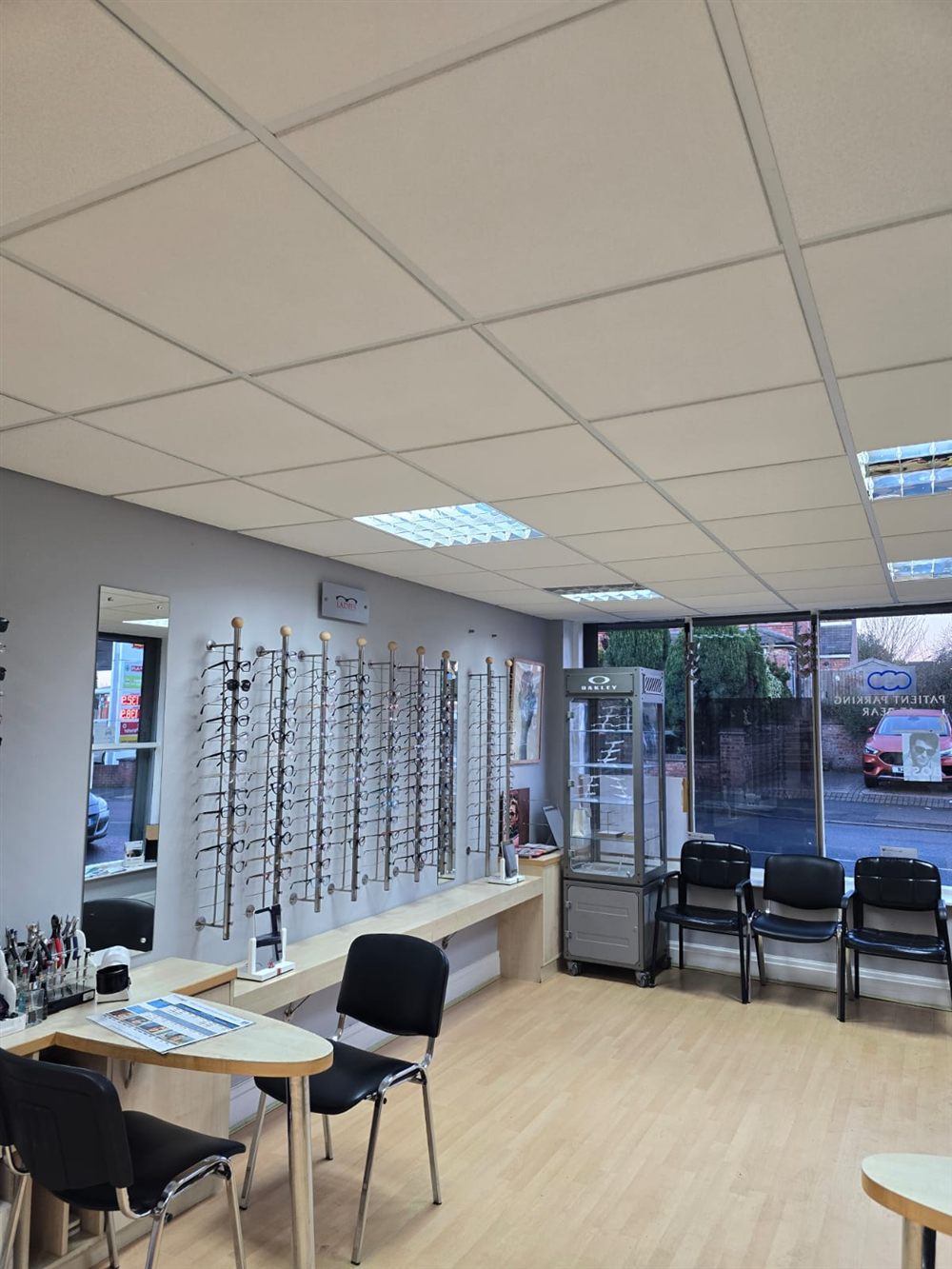 WinsfordWinsford Eye & Footcare · 27 Delamere Street★ 4.9 · 75 Google reviewsOpticians in Winsford →
Also near: Northwich · Middlewich · Knutsford · Crewe and Nantwich
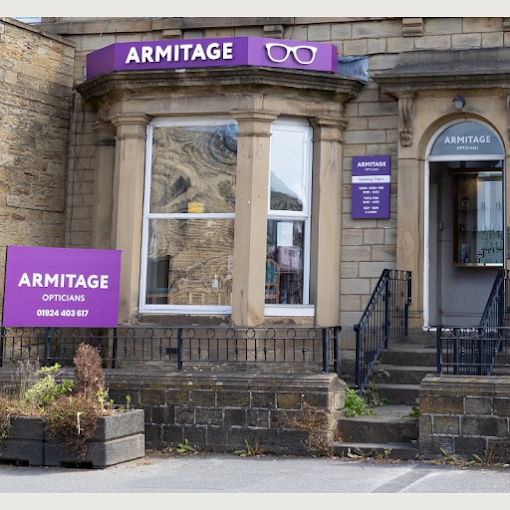 HeckmondwikeArmitage Opticians · 14 Market Street★ 4.9 · 133 Google reviewsOpticians in Heckmondwike →
Also near: Dewsbury · Batley · Mirfield · Cleckheaton
Free on the NHS if you qualify, £55 privately, at every practice. All five, with the towns each one serves →
Reviews
What our patients say
4.9★★★★★
G 600+ Google reviews across five practices
“Brilliant service very friendly staff and a no rush service Really informative and helpful when reviewing and selecting a new pair of glasses would highly recommend”Google review · Middleton · July 2026
“Many thanks to Abra & Co. I greatly appreciate the time that they spent helping me select the perfect glasses. The staff are friendly, informative and knowledgeable. I’ll be returning for years to come.”Google review · Middleton · April 2026
“Absolutely fabulous, professional and friendly always looking after me would recommend them”Google review · Middleton · March 2026
Frequently asked questions
Do yellow night-driving glasses help?
The evidence says not: in controlled trials they reduce the light reaching the eye without improving the ability to see pedestrians or hazards. Anti-reflection coating on clear lenses is what reduces glare. We would rather tell you that plainly.
Why has night driving got worse for me?
Four common reasons: an out-of-date prescription, since even a small amount of uncorrected short sight or astigmatism turns lights into starbursts; lenses without anti-reflection coating; early cataract, which scatters light; and dry eye, where an unstable tear film breaks lights into haloes that come and go with each blink. An eye test tells us which.
Is it legal to drive if I struggle at night?
The legal standard is the same day and night. We test you against it and tell you plainly. If you meet it but hate night driving, the lenses on this page are the answer; if you do not, we tell you that too.
What should I book?
The Gold eye examination, £95: forty-five minutes, the prescription, the front of the eye for cataract and tear film, and the retina. Say night driving is the problem and the test is steered that way.