Blur that clears when you blink
Blurry vision that comes and goes
Blur that’s there, then gone, then back is one of the commonest things we see, and it’s rarely the prescription. Here are the five usual causes, and the one that’s urgent.
The five usual causes
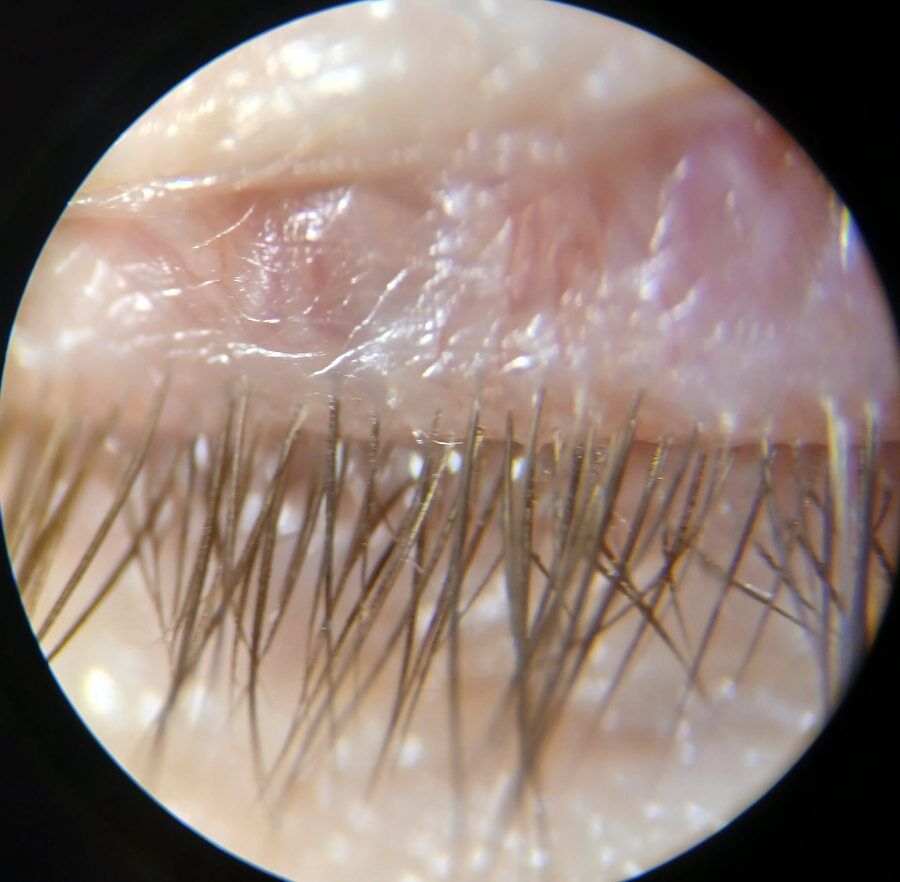
- Tear film. Blur that clears with a blink and comes back — especially after screens — is the tear film breaking up over the cornea. Dry eye, not a prescription change. The 60-second check is the place to start.
- Prescription drift. Clear in the morning, blurry by evening, worse at distance: short sight or astigmatism creeping up. A normal eye test.
- Focusing fatigue. Blur when you look up from a screen, in your late thirties or forties: the focusing muscle tiring. Anti-fatigue or occupational lenses.
- Blood sugar. Blur that changes over days, with thirst or tiredness: get your blood sugar checked — diabetes swells the lens.
- Early cataract. Blur plus glare from lights, gradually worse over months.
The one that’s urgent
Blur in one eye that comes on suddenly, a grey patch or a curtain, or blur with pain or flashes: same day.
What to book
The Gold eye examination: the prescription, the tear film under the microscope, the lens, and the 3D OCT scan of the retina. Forty-five minutes finds which of the five it is.
Guides on this
- How much is an eye test? Every price, honestlyAnywhere between nothing and £125, depending on what you’d like looked at. Here’s what each level includes, so you can choose the right one.
- NHS eye test vs private: what the £55 actually buysThe NHS test isn’t a cut-down version. At an independent it’s the same optometrist, the same room and most of the same checks. The differenc
- What is an OCT scan, and do I need one?A photograph of the back of your eye shows the surface. An OCT scan shows what’s underneath, layer by layer. That’s where glaucoma and macul
- How often should I have an eye test?Every two years is the standard answer and it’s right for most people. The exceptions matter more than the rule.
- What happens at an eye test — forty-five minutes, step by stepIf it’s been years, or you’ve only ever had a short one, here’s the whole forty-five minutes — so nothing’s a surprise.
- Free eye tests: who qualifies in 2026About half of adults qualify and a good few don’t know it. The list, in one place, for this year.
- Glaucoma: the test that finds it years earlyGlaucoma is the one that has no symptoms. By the time you notice anything, the sight that’s gone doesn’t come back. It’s found at eye tests,
- Macular degeneration: what you can actually do this yearThere are two kinds and they need opposite responses. The dry kind is slow, and there are things that slow it further. The wet kind is fast
- Cataracts: when to have surgery, and what to expect afterNearly everyone who lives long enough gets a cataract. The operation is one of the safest and commonest in medicine. The only real question
- Diabetes and your eyes: what the yearly check looks forDiabetes damages the small vessels at the back of the eye without any symptoms until late. You’re entitled to two checks a year — the screen
Five clinics across Greater Manchester, Cheshire & West Yorkshire
Every Book button on this page comes here. Choose your practice — the number appears on the one you pick.
Book a Dry Eye Assessment — Cheadle 0161 428 3717
Book a Dry Eye Assessment — Middleton 0161 653 0771
Book a Dry Eye Assessment — Heald Green 0161 437 3400
Book a Dry Eye Assessment — Winsford 01606 599030
Book a Dry Eye Assessment — Heckmondwike 01924 403617
Gland Scan: £15 with any eye examination (included in our Gold eye examination).