
Who Can Have a Home Eye Test — NHS Eligibility, Private Options, and How to Arrange It
If you’re reading this, you’re probably trying to work out whether you or a family member qualifies for a home

If you’re reading this, you’re probably trying to work out whether you or a family member qualifies for a home eye test, and what the NHS will and won’t cover. We’ll explain the eligibility rules clearly and honestly, tell you what happens if you don’t qualify for NHS funding, and walk you through how to arrange everything. By the end, you’ll know exactly where you stand and what to do next.

A home eye test is a full clinical eye examination carried out at your home — or a care home, sheltered housing scheme, or supported living setting — by a qualified optometrist who brings all the necessary equipment with them. It covers everything a practice-based test does: vision assessment, prescription, and a full check of eye health including the retina, optic nerve, lens, and any signs of conditions like glaucoma, macular degeneration, or diabetic eye disease.
The NHS funds home eye tests under the Domiciliary Eye Care Service. The central question is simple: can you leave your home unaccompanied to visit an optician? If the answer is no — because of physical disability, significant mobility problems, advanced dementia, serious illness, or severe learning disability — you are likely eligible for an NHS-funded home eye test.
This is where many people get confused. ‘Unaccompanied’ does not mean ‘alone.’ If you can get to an optician with the help of a family member, a carer, a wheelchair, a mobility aid, or standard transport — you are considered able to attend a practice under NHS rules, and you would not qualify for NHS domiciliary funding. The test is not about whether it’s convenient or whether you’d prefer a home visit. It’s about whether travel is genuinely and practically impossible.
The distinction exists because NHS domiciliary funding is finite and prioritised for people who have no other way of accessing care. If someone can get there with help, even considerable help, they fall outside the NHS criteria. The good news is that a private home eye test is available as an alternative.
If you qualify for a home eye test and need new glasses, NHS optical vouchers may apply towards the cost of frames and lenses, exactly as they would following a practice-based test. We’ll advise on this during the visit.
To be transparent: inconvenience, reluctance, anxiety that doesn’t prevent travel, or simply preferring a home visit are not qualifying criteria. If you can get to an optician — even if it takes planning and support — you sit outside the NHS eligibility criteria. That doesn’t mean you can’t have a home eye test; it means the visit would be privately funded.
A private home eye test with Abra & Co costs £200, with £100 credited towards glasses if you choose to order from us. It is an investment — and for many people it’s the right one. The visit is unhurried, the equipment is specialist, and the optometrist takes real time to understand your situation. There’s no waiting room, no unfamiliar environment, no rushed appointment.
If your vision has deteriorated because getting to an optician has become too difficult, that’s a real clinical problem. Falls caused by uncorrected vision. Headaches. Loss of confidence. The cost of the visit has to be weighed against that.
This is the most common situation. You’ve managed fine for years but something has changed — your health, your mobility, your confidence. You haven’t been to the optician in a while, you’re not seeing as well as you’d like, and you want it sorted. You may well qualify for NHS funding. Even if not, a private visit typically produces a significant improvement in vision and quality of life.
Many of the visits we arrange are for elderly patients whose adult children have called on their behalf. If your parent can’t easily leave the house, they likely qualify for NHS funding. We handle the eligibility check, the visit, and the follow-up — including calling family members with the patient’s consent. See our page for families arranging home eye tests.
Home eye test for families
Care home residents routinely qualify for NHS-funded home eye tests. We visit care homes regularly, work with care staff to make the appointment comfortable, and provide clinical documentation in a format compatible with resident care records.
A person who wouldn’t normally qualify may qualify temporarily during recovery. If the clinical picture has changed recently — post-stroke, post-surgery, serious illness — it’s worth asking. Call us and describe the situation; we’ll give you an honest answer.
Our optometrists are trained in dementia-aware practice and follow the Mental Capacity Act 2005 framework correctly. We know how to adapt an examination for a patient with cognitive impairment and how to involve family members and carers appropriately.
Can you leave home unaccompanied? → You do not qualify for NHS funding. Private home eye test available at £200.
Can you leave only with significant physical support? → You likely qualify for NHS funding.
Can you not leave at all due to physical condition, dementia, or serious illness? → You qualify for NHS funding.
Do you live in a care home or nursing home? → You very likely qualify for NHS funding.
If you’re not sure, call us. We’ll ask a few straightforward questions and give you an honest answer. We won’t push you towards a private appointment if NHS funding applies.
Call your nearest practice. Ask for a home eye test. If you’re arranging for a relative, call the practice nearest to them.
Tell us about the situation. Why getting to a practice has become difficult, current health, whether you’re an NHS patient, any communication considerations.
We confirm eligibility. NHS or private — we explain clearly and agree a date and time.
We visit. Full 60-minute examination at your pace. Family members can join by video call if helpful.
We call the family. With the patient’s consent, a full update after the visit.
We come back. Glasses delivered and fitted at home. Adjustments included.
Yes — this is something we do regularly. You don’t need to be present and you don’t need to visit the practice. Call us, describe the situation, and we’ll handle the rest. With your parent’s consent, we’ll phone you after the appointment and go through our findings in full. See our page specifically for families.
A home eye test with Abra & Co takes between 45 minutes and a full hour. This is deliberately longer than a standard practice appointment. We work at the patient’s pace, adapt the examination to what they can manage on the day, and take time to understand their situation properly.
With the patient’s consent, yes. We ask the patient whether they’re happy for us to share findings with a named family member. If they agree, we call afterwards and go through everything in full. Where a patient lacks capacity to consent, we follow the Mental Capacity Act 2005 framework — working with whoever holds appropriate legal authority, such as a lasting power of attorney.
No. Because we charge properly for the clinical appointment, we don’t depend on selling glasses. We recommend new glasses only if they’ll genuinely improve quality of life. If current glasses are fine, we say so. No obligation, no follow-up sales call.
Yes. We work with care homes, nursing homes, and supported living providers. Residents who cannot leave unaccompanied typically qualify for NHS-funded eye tests. Call us to discuss a visiting arrangement.
If you’re reading this, you’re probably trying to work out whether you or a family member qualifies for a home
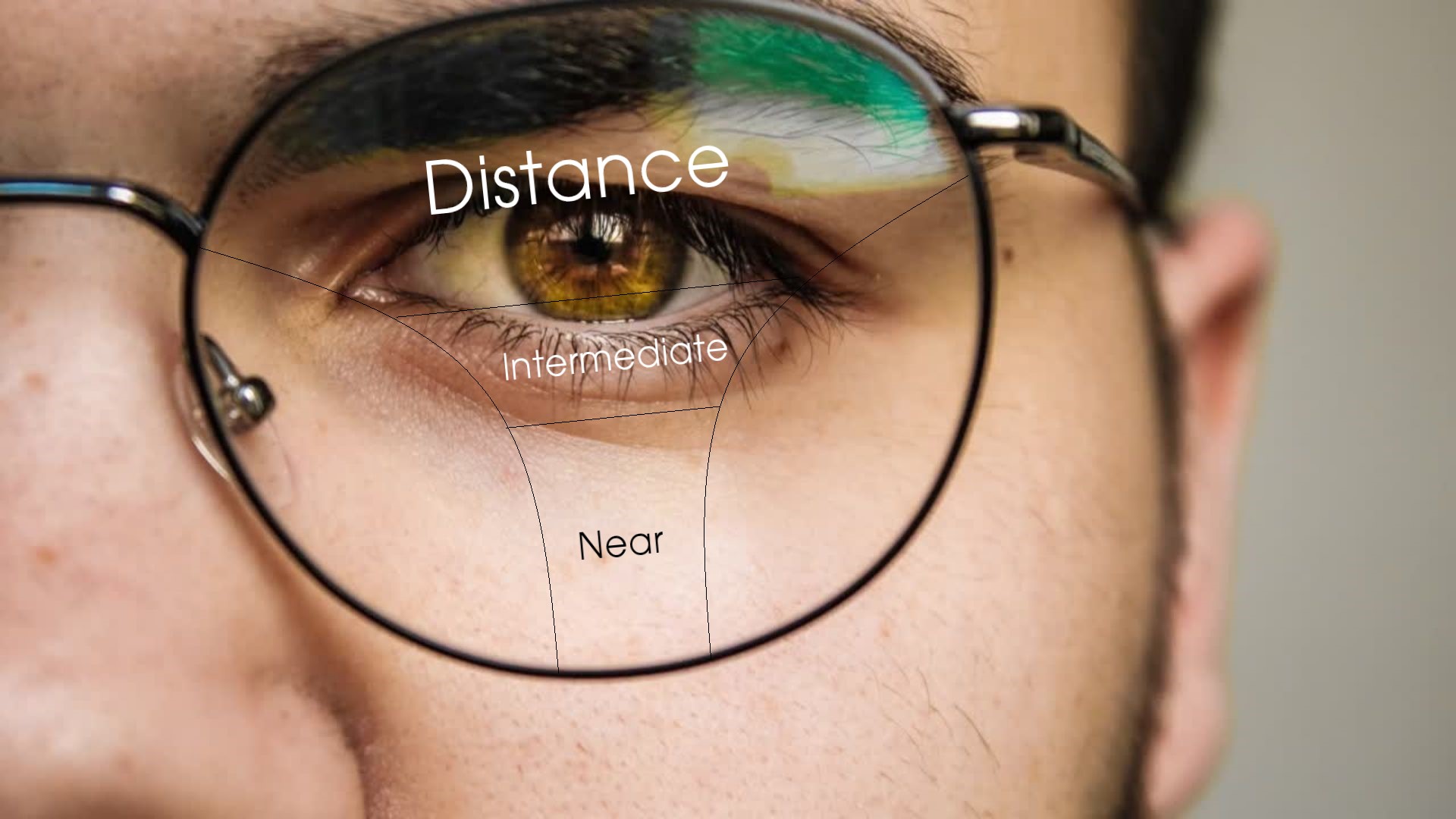
The Honest Guide to Varifocal Lenses More people have a bad varifocal experience than should. Usually it is not because

Why Do My Eyes Feel Dry Even When They’re Watering? It sounds contradictory. Your eyes are streaming, yet someone tells