
From Eye Strain to Clarity: How We Helped Dr Simon Levy Overcome Vision Issues
Executive Summary Dr. Simon Levy, a 38-year-old doctor, was struggling with eye strain and difficulty focusing on small print during

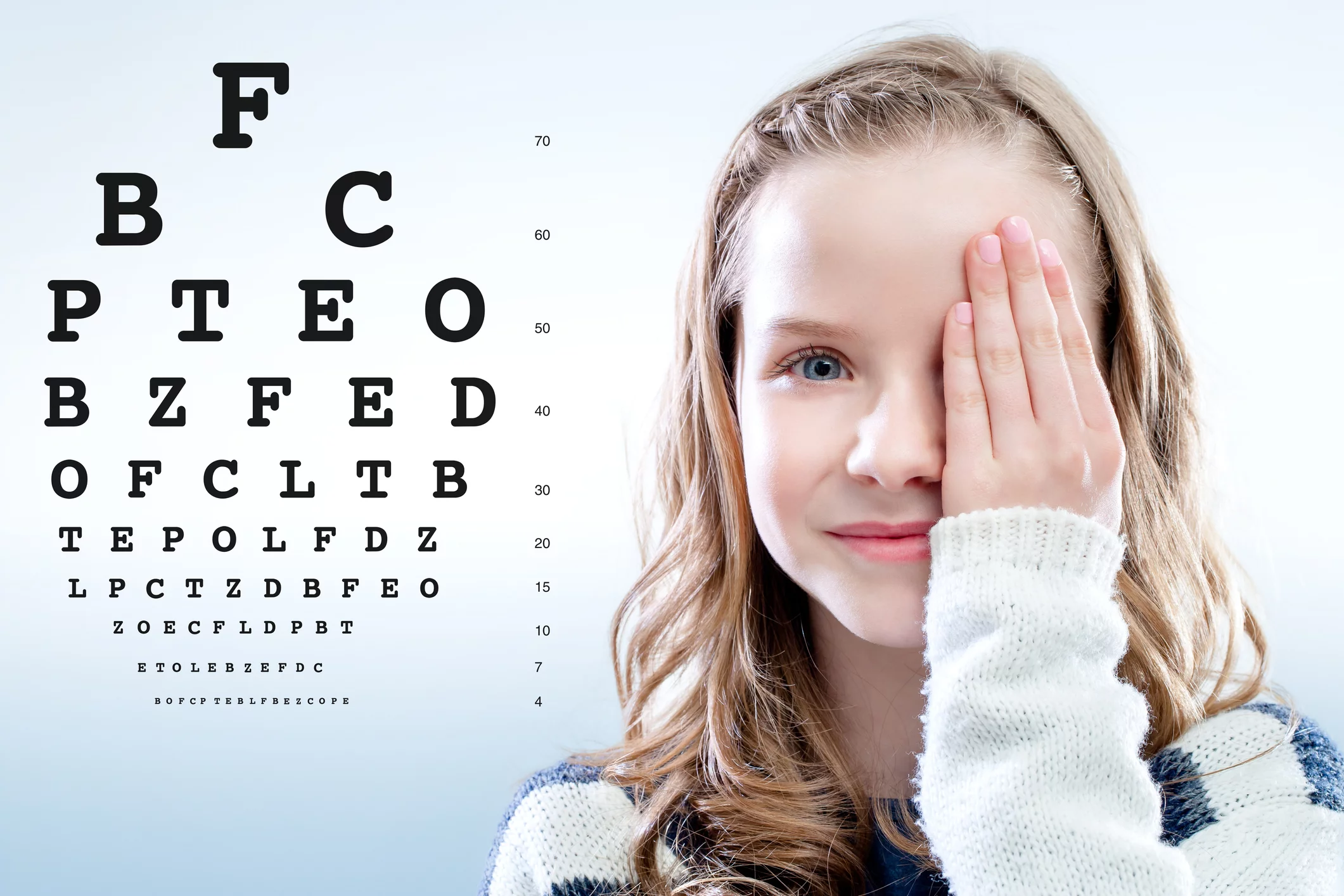
Children are remarkably good at hiding vision problems — not deliberately, but because they genuinely do not know what “normal” vision looks like. If they have always seen the world slightly blurred, blurred is simply how the world looks to them.
This is why parents and teachers are so important in spotting the early signs of a vision problem. Here are the ten things most worth watching for.
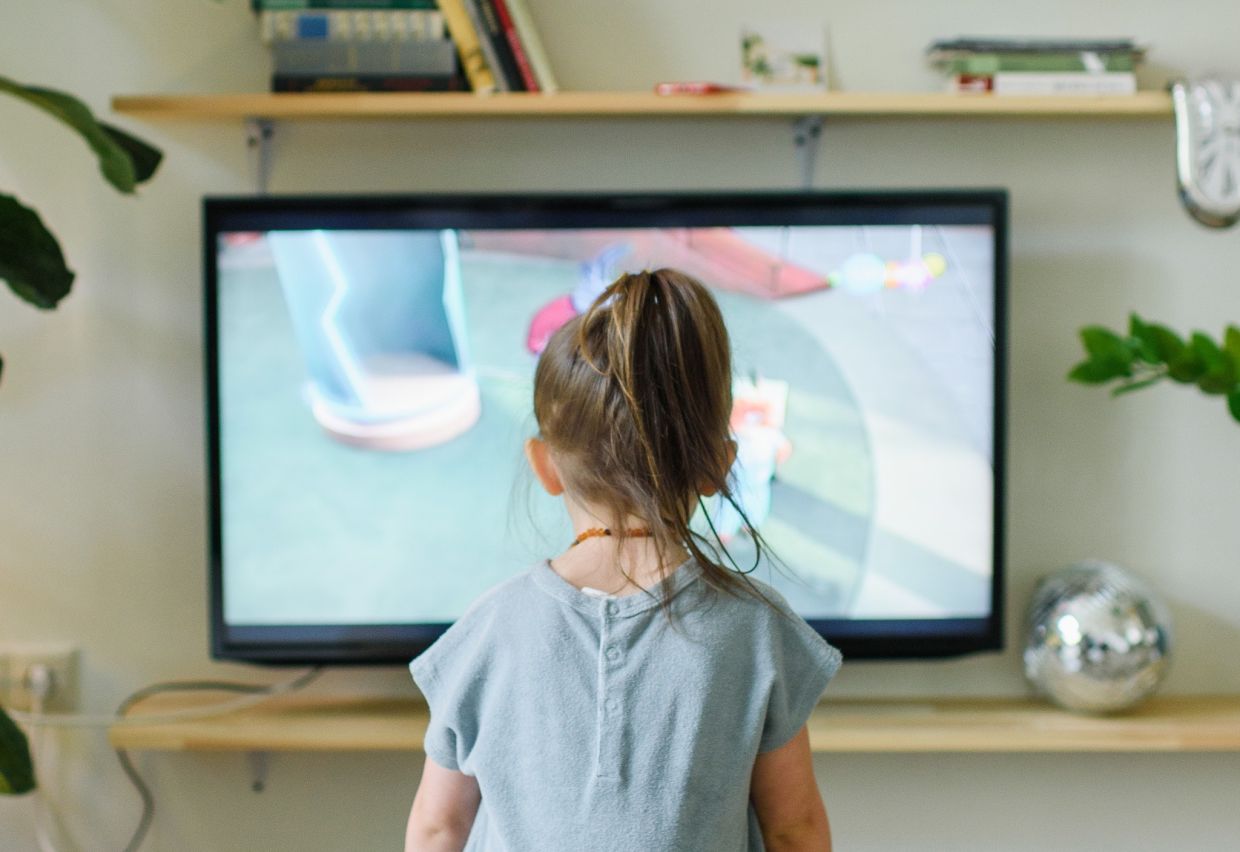
A child who consistently sits within a few feet of the television — and resists being told to move back — is usually compensating for short-sightedness (myopia). The closer they are, the larger and sharper the image appears. This is one of the most consistent early signs of myopia in children.
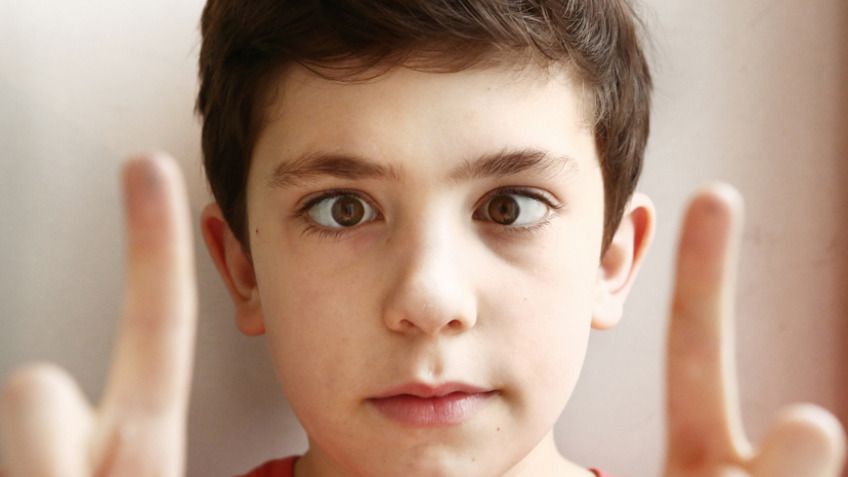
Squinting narrows the pupil, which has the same effect as a pinhole — it temporarily sharpens a blurry image. If your child squints when looking at the board at school, watching TV or reading signs, they are almost certainly struggling with uncorrected distance vision.
The eyes work very hard to compensate for refractive errors. This sustained effort — particularly for long-sightedness and astigmatism — causes eyestrain and headaches. If your child regularly complains of headaches after school, especially around the forehead or behind the eyes, uncorrected vision is a very common cause.
Head tilting is often a sign of a muscle imbalance between the eyes (strabismus or tropia) or significant astigmatism. The child is finding the head angle that gives them the clearest, most comfortable image. If you notice this, have their eyes checked promptly.
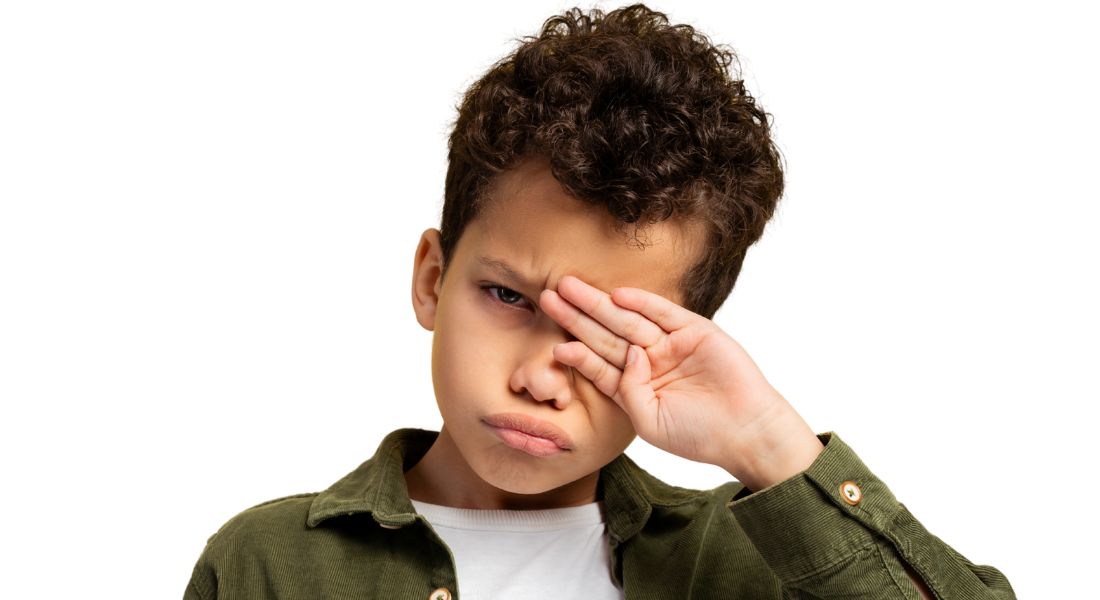
Persistent eye rubbing — beyond what you would expect from tiredness — can indicate eyestrain from uncorrected vision, or sometimes an underlying eye health issue. Children with significant long-sightedness often rub their eyes because their focusing system is working overtime.
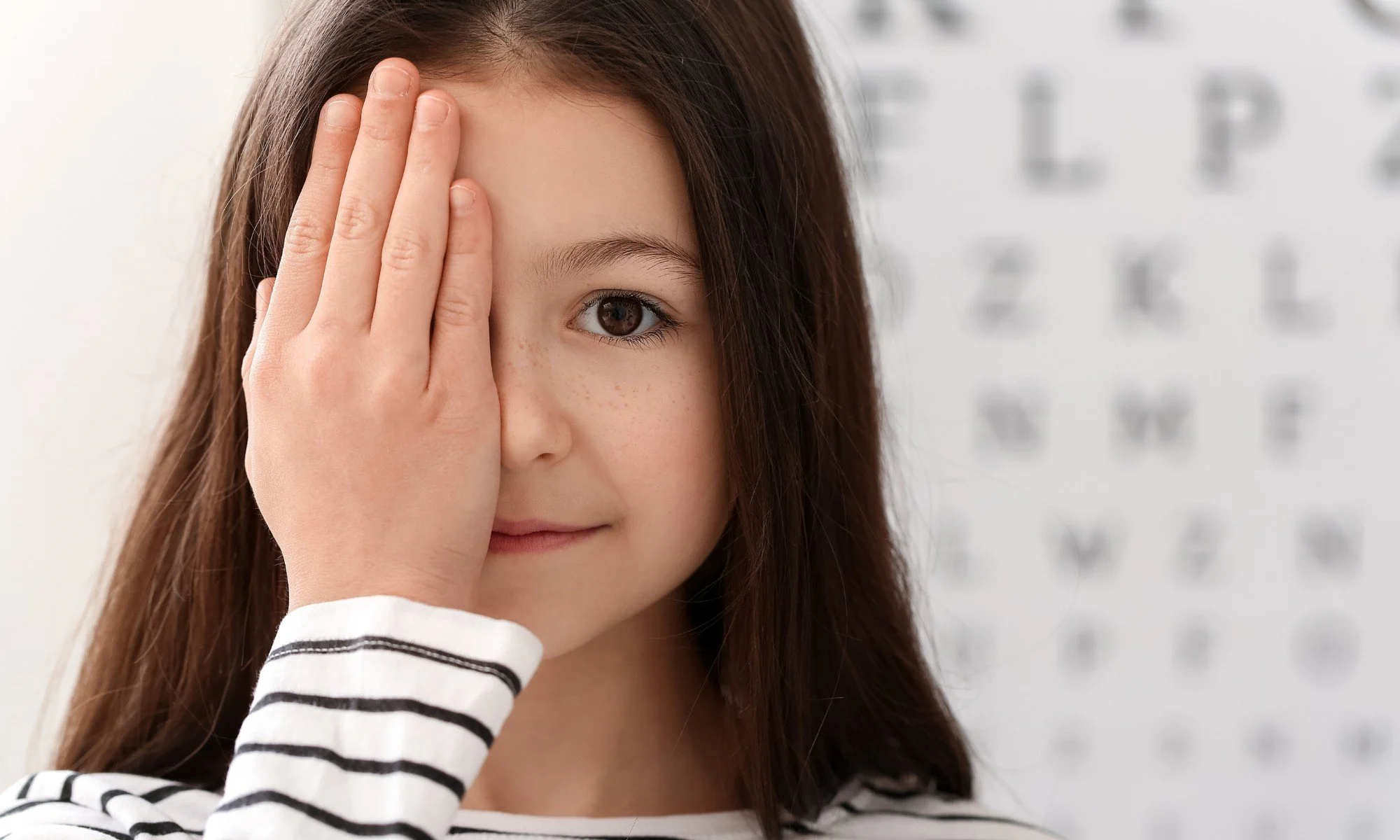
If your child covers one eye to read, watch TV or play, this is a significant sign. It may indicate that one eye sees substantially better than the other (a significant risk factor for amblyopia / lazy eye), or that the eyes are not working together properly. This needs checking promptly.
Short-sighted children hold reading material close to bring it within the range where their eyes can focus clearly. Consistently holding books within 15–20cm is a strong indicator. This is different from the normal close work of young children learning to read.
Children with binocular vision problems — where the two eyes do not coordinate properly — often lose their place when reading, skip lines, or re-read the same line. They may use a finger to track along each line. Teachers sometimes interpret this as a reading difficulty or dyslexia, when the underlying cause is a visual one that can be corrected.
A child who consistently avoids reading, complains it is boring, or says their eyes hurt when reading may simply be avoiding an activity that is genuinely difficult for them. Long-sightedness and binocular vision problems make sustained near work uncomfortable. This can significantly affect a child’s willingness to engage with reading and early learning.
Vision problems and learning difficulties often look the same from the outside. A child who struggles to see the board clearly, gets headaches during lessons, or finds reading physically uncomfortable will naturally underperform. If your child’s teacher has raised concerns about their attention, reading or learning, an eye test is a sensible first step — it is free, takes 30 minutes, and rules out a very common cause.
If you have recognised any of these signs, book your child an eye test. You do not need a GP referral. All children under 16 are entitled to a free NHS eye test, and our optometrists are experienced in testing children of all ages — including pre-readers and those who are nervous.
If glasses are needed, they are provided with an NHS optical voucher. If we find anything that needs specialist attention, we will refer promptly.
Find out more about children’s eye tests at Abra & Co — or call your nearest practice to book.
If your child is found to be short-sighted, ask about myopia management. Standard glasses correct the blur but do not slow the eye’s growth. Specialist lenses and contact lenses can reduce the rate of myopia progression by approximately 50–60% — which means a significantly lower prescription and much lower risk of serious eye problems in adulthood.
Learn more about myopia control at Abra & Co.
Executive Summary Dr. Simon Levy, a 38-year-old doctor, was struggling with eye strain and difficulty focusing on small print during

Comprehensive Eye Exams in Manchester: What to Expect and Why They Matter In today’s fast-paced world, prioritizing eye health can

Choosing the perfect eyewear is about so much more than a fashion statement; it’s essential to choose a pair that