The Brightness Paradox: Why Your Car’s Headlights Are Putting Vision at Risk
I know the M62 like the back of my hand. I spend a lot of time on that road, traveling


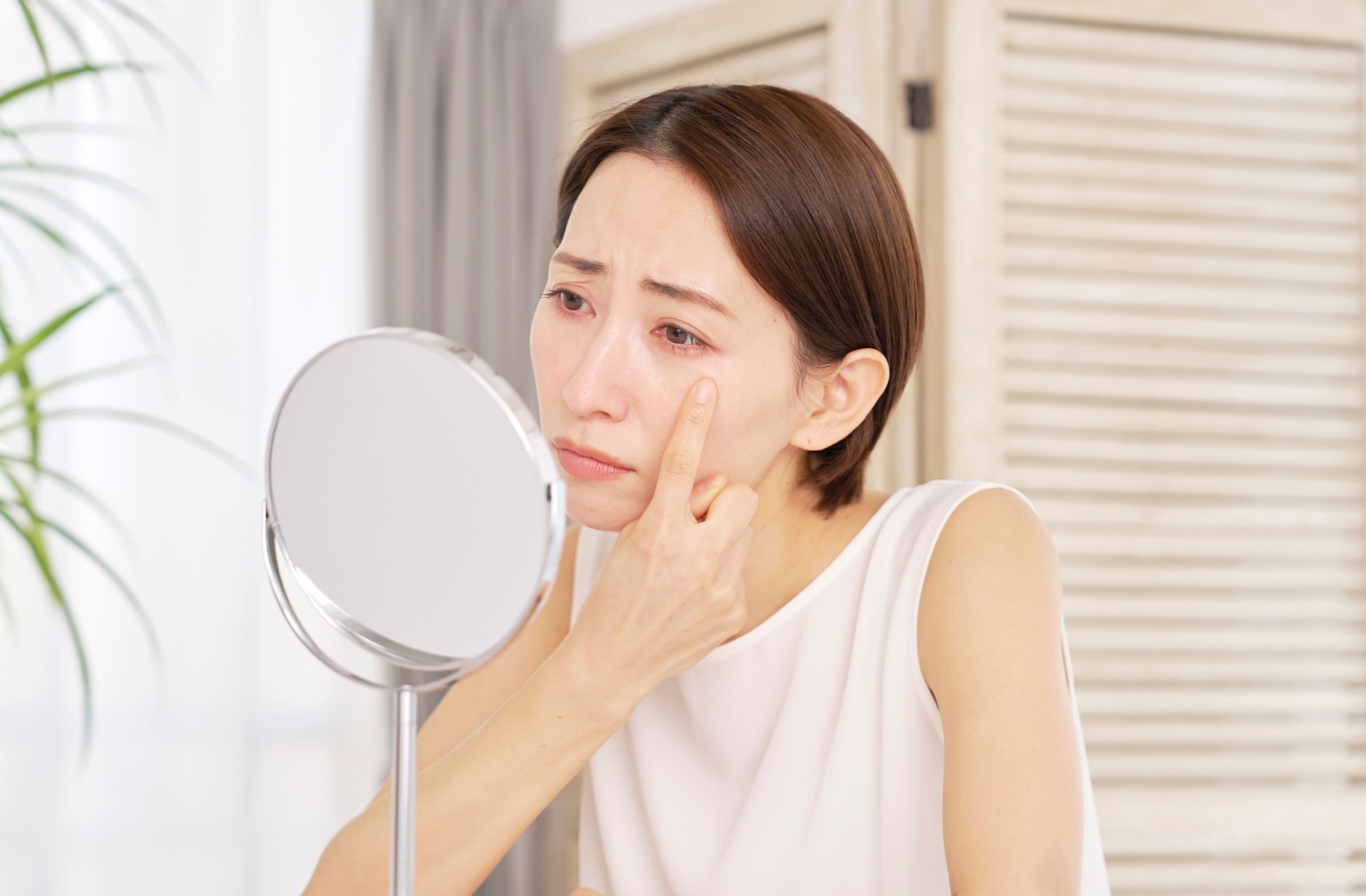
It sounds contradictory. Your eyes are streaming, yet someone tells you the problem is dry eye. It makes no sense until you understand what dry eye actually is.
Your tear film isn’t just water. It’s a three-layer structure: an outer oily layer, a middle watery layer, and an inner mucin layer that helps everything stick to the eye surface. When any of those layers breaks down, the eye surface becomes unstable. Your brain detects the irritation and triggers reflex tearing so you end up with watery, uncomfortable eyes caused by dryness. That’s why watery eyes are one of the most common dry eye symptoms we see.
What Causes Dry Eye?
Dry eye has several root causes, and most people have a combination of more than one.

MGD is responsible for the majority of dry eye cases, yet most patients have never been told they have it. The glands themselves are visible under magnification — an optometrist can assess their structure and function during a thorough examination. In advanced cases, glands can drop out entirely and don’t regenerate, which is why early intervention matters.
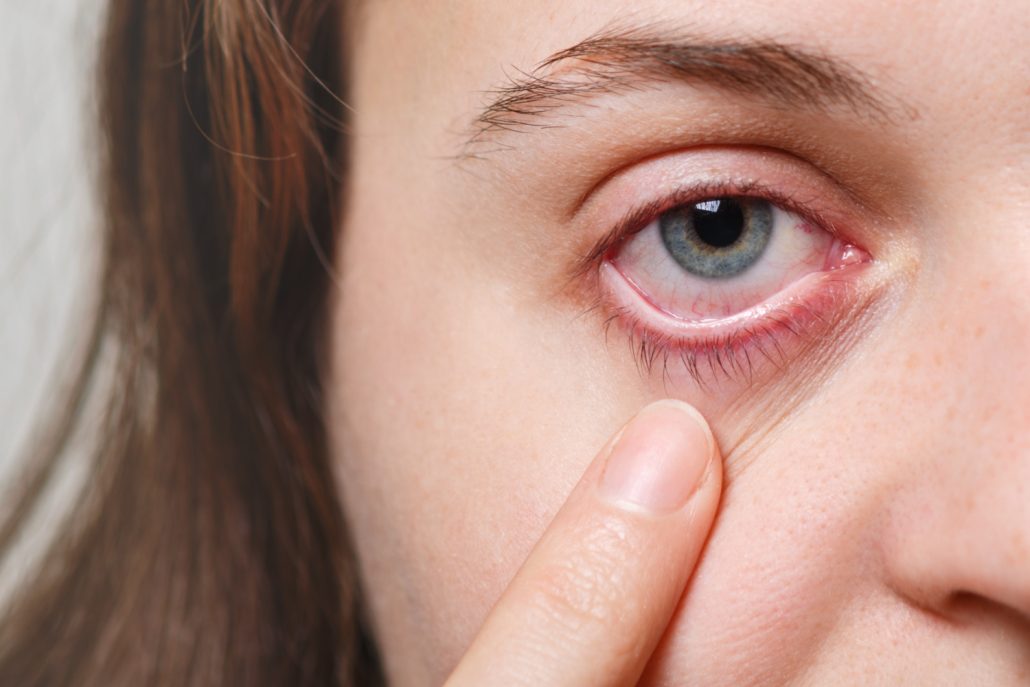
Common signs of MGD include a gritty or burning sensation, eyelids that feel heavy or sticky (especially in the morning), occasional blurred vision that clears when you blink, and sensitivity to wind or air conditioning.
Treatment for MGD focuses on unblocking those glands and keeping them clear. Warm compresses applied for several minutes each day help liquefy the thickened oils. Lid hygiene cleaning the lid margin with a purpose-made solution removes the biofilm that contributes to gland blockage. In clinic, we can offer more targeted treatments including in-practice lid warming and expression.
For a detailed look at the treatments available, visit our dry eye clinic page.
Mild, occasional dryness particularly after a long day at a screen is common and often manageable with lubricating drops. But if your symptoms are persistent, affecting your sleep, making contact lens wear uncomfortable, or causing regular blurred vision, it’s worth having a proper assessment rather than cycling through over-the-counter drops.
A thorough dry eye assessment looks at the quality and quantity of your tears, the condition of your lid margins and meibomian glands, and the stability of your tear film. This gives a clear picture of what’s actually driving your symptoms and what’s most likely to help.
Patients across Manchester, Cheshire and West Yorkshire come to us with dry eye symptoms that have been dismissed or undertreated elsewhere. Getting the diagnosis right makes a real difference to which treatments will work.
For most people, dry eye is a chronic condition that can be managed very effectively rather than permanently cured. With the right treatment plan which might include lid hygiene, prescription drops, dietary changes or in-clinic procedures symptoms can reduce significantly and many patients reach a point where they barely notice it day to day.
Lubricating drops can provide real short-term relief, and some are genuinely useful as part of a broader management plan. But if the underlying cause is MGD, drops alone won’t resolve the blockage in the glands. They manage the symptom, not the cause.
There’s good evidence that omega-3 fatty acids found in oily fish and high-quality supplements can improve the quality of the oils produced by the meibomian glands. It won’t replace clinical treatment for significant MGD, but it’s a worthwhile addition for most patients.
Often, yes though the type of lens matters. Daily disposable lenses with a high water content or silicone hydrogel material tend to perform better for dry eye patients. It’s worth having a proper contact lens assessment to find the most comfortable option for your eyes.
If your eyes feel gritty, sore or watery on a regular basis, don’t wait for it to get worse. Book an eye test at your nearest Abra & Co practice our optometrists will take the time to properly assess your tear film and talk you through your options.
I know the M62 like the back of my hand. I spend a lot of time on that road, traveling

Looking for a trusted optician serving Cleckheaton? We provide professional eye tests, NHS and private eye care, and a wide
Are you living in Heckmondwike and searching for reliable opticians in Dewsbury? Look no further! At Armitage Opticians, we’re dedicated