
Book an Appointment
One of our team members will call you to book your appointment.
Dry Eye Clinic Manchester | Abra & Co
Specialist dry eye care across five practices in Greater Manchester & West Yorkshire
You deserve more than eye drops and a shrug.
Dry eye is one of the most common conditions we see across all five of our practices. It’s also one of the most mismanaged — not because it’s complicated, but because most people are never shown what’s actually causing it.
At Abra & Co, we’ve been treating dry eye since 2017. Not as an add-on to a routine eye test. As a dedicated clinical specialism, built from the ground up, guided by some of the UK’s leading ophthalmologists, and delivered by a team of seven trained optometrists across Middleton, Cheadle, Heald Green, Winsford, and Heckmondwike.
We’re a family-owned independent group. We take the time to listen. And we’ve treated over 600 dry eye patients — many of whom had already tried everything else before they found us.
600+
Patients
treated
90%
Report lasting relief
2017
Pioneers
since
What is dry eye — and why does it keep coming back?
Dry eye isn’t a single condition. It’s an umbrella term for several related problems, all of which result in the same outcome: your eyes aren’t producing or maintaining the stable tear film they need to stay comfortable and see clearly.
The symptoms can include burning, stinging, grittiness, sensitivity to light, and eyes that water for no obvious reason. Your vision may blur or fluctuate throughout the day. Your contact lenses may have become impossible to wear. You may have been told it’s just something you have to live with.
It isn’t.
The two conditions we see most often are Meibomian Gland Dysfunction and Blepharitis. Both are treatable. Both require proper clinical intervention rather than home remedies. And both are something we specialise in — across all five of our practices, with a team trained specifically to diagnose and treat them.
The two types of dry eye — and why it matters which one you have
Dry eye broadly falls into two categories. Most patients have one dominant type, though many have elements of both. Understanding which is driving your symptoms is the first thing we establish at your assessment — because the treatment differs significantly.
Evaporative Dry Eye
This is by far the most common type, accounting for around 85% of all dry eye cases. The problem isn’t that your eyes aren’t producing enough tears — it’s that your tears are evaporating too quickly.
Your tear film has three layers. The outermost is an oil layer, produced by the meibomian glands inside your eyelids. This oil acts as a seal, slowing evaporation and keeping your tear film stable between blinks. When the meibomian glands become blocked — which is extremely common and happens gradually — that oil layer thins or disappears entirely. Without it, tears evaporate within seconds of each blink. Your eyes dry out, burn, sting, and water. Your vision fluctuates.
This is Meibomian Gland Dysfunction, and it requires physical clinical intervention to treat properly. Drops replace the tears temporarily but do nothing for the blocked glands causing the problem in the first place.
Blepharitis — chronic eyelid margin inflammation — is closely linked to evaporative dry eye, frequently occurring alongside MGD and compounding the instability of the tear film.
Aqueous Deficient Dry Eye
Less common but equally significant. Here the problem is the middle, watery layer of your tear film — your lacrimal glands simply aren’t producing enough of it. Without sufficient aqueous volume, your tear film can’t maintain coverage across the eye surface, leading to persistent dryness, sensitivity, and discomfort.
Aqueous deficient dry eye can be associated with:
- Autoimmune conditions such as Sjögren’s syndrome
- Certain medications including antihistamines, antidepressants, and the contraceptive pill
- Hormonal changes, particularly during menopause
- Environmental factors including air conditioning, prolonged screen use, and low humidity
Treatment for aqueous deficiency focuses on supplementing and retaining the tears you do produce — through carefully selected lubricating drops and gels, punctal plug assessment where appropriate, and environmental and lifestyle modifications. Where an underlying systemic cause is suspected, we work alongside your GP to ensure nothing is being missed.
At your assessment, we establish clearly which type — or combination — is driving your symptoms, and build your treatment plan accordingly. We don’t apply a one-size-fits-all protocol, because dry eye never is.
Does this sound familiar?
If you recognise even a few of these, your dry eye may need more than drops:
- Your eyes feel gritty or sandy, especially first thing in the morning
- Burning or stinging that gets worse as the day goes on
- Your vision goes blurry or fuzzy, especially after reading, screens, or driving
- You’ve had your glasses updated but your vision still doesn’t feel right
- Eyes that water for no apparent reason
- Crusty or sticky eyelids when you wake up
- Sensitivity to screens, air conditioning, or wind
- You’re using drops several times a day and they barely help
- An optician told you it’s just dry eye and suggested drops
- Your contact lenses have become uncomfortable or impossible to wear
- It’s been going on for months — or years — and it’s getting worse
If three or more of these describe you, drops alone won’t solve this. The glands need to be cleared. That’s exactly what we specialise in.
The EyeClean Programme
This is our complete clinical response to dry eye. Developed in-house, standardised across all five practices, and built around one principle: treat the cause, not just the symptoms.
The EyeClean Programme combines three stages of treatment — professional lid cleaning, medical-grade heat therapy, and manual meibomian gland expression — delivered across three visits over six to eight weeks. It’s the step-by-step process that has given 90% of our patients lasting relief.
It’s not a machine-led protocol. It’s hands-on, clinician-led care — the kind that requires skill, experience, and someone who actually takes the time to understand your eyes.
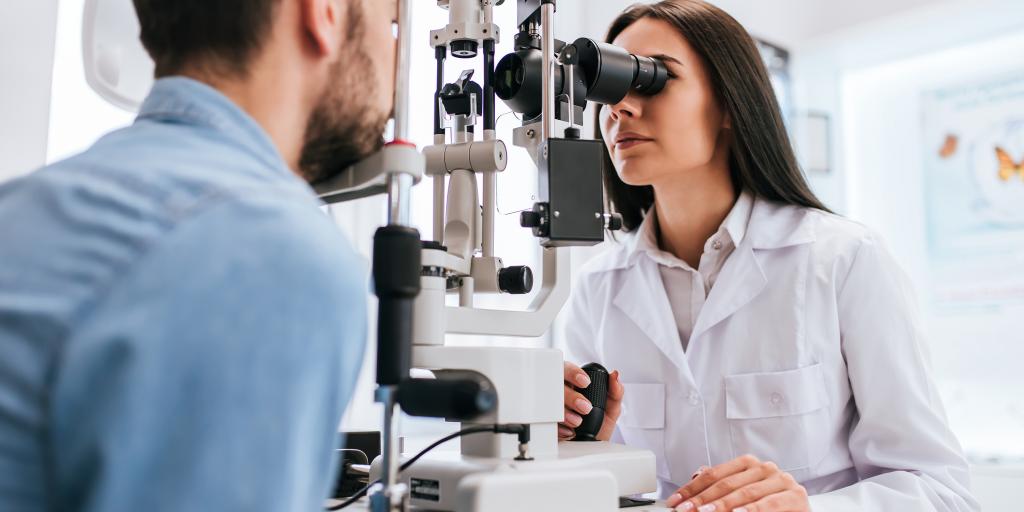
Everything begins with your specialist assessment. Forty-five to sixty minutes, dedicated entirely to you, using advanced diagnostic imaging to show you exactly what’s happening inside your eyelids. You’ll see your own meibomian glands on screen. You’ll understand, clearly and in plain English, what’s causing your symptoms.
Specialist Dry Eye Assessment — £95 45–60 minutes dedicated entirely to you. £50 credited towards your EyeClean Programme if you proceed.
The EyeClean Programme — £450 Three treatment sessions over six to eight weeks. BlephEx deep-clean, medical-grade heat therapy, and manual gland expression at every visit. Full home care kit included.
Two conditions. One integrated approach.
Because MGD and blepharitis so frequently occur together, we rarely treat one without assessing for the other. Our specialists are trained to diagnose both, understand how they interact in your specific case, and deliver a treatment plan that addresses everything — not just the loudest symptom.
The BlephEx treatment that forms the first stage of every EyeClean session was originally developed as a blepharitis treatment. The manual gland expression that follows addresses the MGD. In most patients, both are needed. In most patients, both are present.
If you’re not sure which condition is causing your symptoms, that’s exactly what your assessment is for.
Now you can see why nothing else worked
Once you understand the three stages, the pattern becomes obvious:
What you tried | Which stage it covers | What it misses |
| Eye Drops | ❌ None | Replaces tears only. Doesn’t touch the glands at all. |
| Warm Flannel | ⚠️ Partial Stage 2 | Can’t reach 180°C consistently. Without Stage 3, oil re-hardens. |
| BlephEx only | 🔍 Stage 1 only | Cleans the surface but doesn’t heat or express the glands. |
| IPL or LipiFlow | ✅ Stages 1 & 2 | No thorough manual expression; glands aren’t fully cleared. |
| New Glasses | ❌ None | Blurry vision is a tear film problem, not a prescription issue. |
| Our EyeClean Programme | ⭐ All Three Stages | Nothing. This is the complete clinical pathway. |
If three or more of these describe you, drops alone won’t solve this. The glands need to be cleared. That’s exactly what we specialise in.
Why Abra & Co
We didn’t start offering dry eye treatment because it became fashionable. We started because our patients kept coming back with the same unresolved symptoms, and we refused to accept that drops and warm flannels were the best we could offer them.
Our co-founder Sohail Khan began developing our approach in 2017, learning from ophthalmologists and attending specialist conferences across Europe — Silmo, Mido, and ophthalmology forums — driven by a straightforward belief: that our patients deserved a real solution, not a temporary one. He has personally treated over 500 dry eye patients.
Co-founder and Clinical Director Arbra Khan then built the diagnostic protocols, introduced standardised OSDI assessments and symptom scoring across all five practices, sourced the clinical equipment, and personally trained and mentored every optometrist who delivers our dry eye treatments today.
Seven trained optometrists. Five practices. Over 600 patients treated through the EyeClean Programme. 90% reporting lasting relief.
We’re independent. We’re family-run. And we take this personally — because our patients are our community, and their comfort matters to us long after they leave the chair.
“My eyes feel incredible. So much more comfortable — no comparison.” — Abra & Co patient, under ongoing care since 2022

The EyeClean Programme
The complete three-stage treatment — delivered over three visits
Now that you understand why the full three stages matter, here’s exactly what happens when you sit in our chair.
Visit 1 · The Deep Clean · Week 0–1
All three stages in one session
Stage 1 — Clean: We use the BlephEx device to exfoliate your eyelid margins, removing bacterial biofilm, debris, and crusting. Professional-grade cleaning that no home routine can replicate.
Stage 2 — Heat: Medical-grade warming at a precise 40–42°C softens the hardened oil inside your blocked glands. Consistent, controlled heat that a flannel simply cannot achieve.
Stage 3 — Express: Your optometrist uses precision forceps to carefully compress each gland and physically extract the stagnant, thickened oil. You’ll see the cloudy material being cleared. This is the step that changes everything — and it’s the step that requires genuine clinical skill and years of experience to do well.
Most patients feel a noticeable difference before they leave.
Visit 2 · Follow-Up · Week 2–4
Building on your progress
We reassess your symptoms, re-image your glands, and perform a second round of heat therapy and expression. This visit is usually quicker — your glands are already partially cleared. We refine your home care based on how you’ve responded.
Visit 3 · Consolidation · Week 6–8
Locking in the results
A final treatment session to ensure all glands are functioning well, followed by your long-term maintenance plan. Most patients then return every 6–12 months for a brief top-up to keep their glands clear.
What our patients say
"I'd been using drops eight to ten times a day for years. After the EyeClean Programme, I barely need them anymore."
"I could actually see the blocked oil coming out during the treatment. It was oddly satisfying, and the relief was immediate."
"I tried warm compresses, expensive drops, everything. Nothing worked until I had the manual gland expression. Wish I'd done this years ago."
"The imaging showed me exactly what was wrong. Seeing my blocked glands on the screen made it all make sense."
Advanced diagnostic imaging at every practice
We use specialist diagnostic equipment at every one of our five practices — because understanding your dry eye properly requires seeing it clearly.
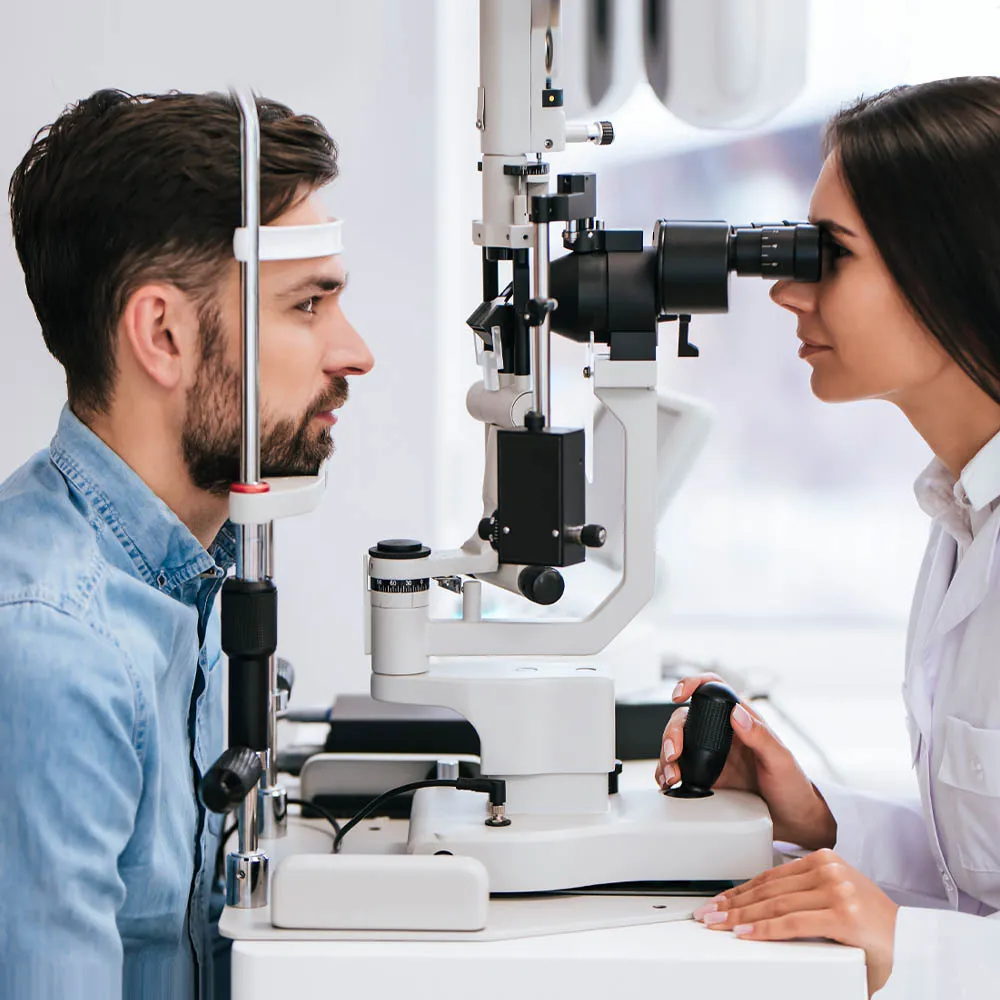
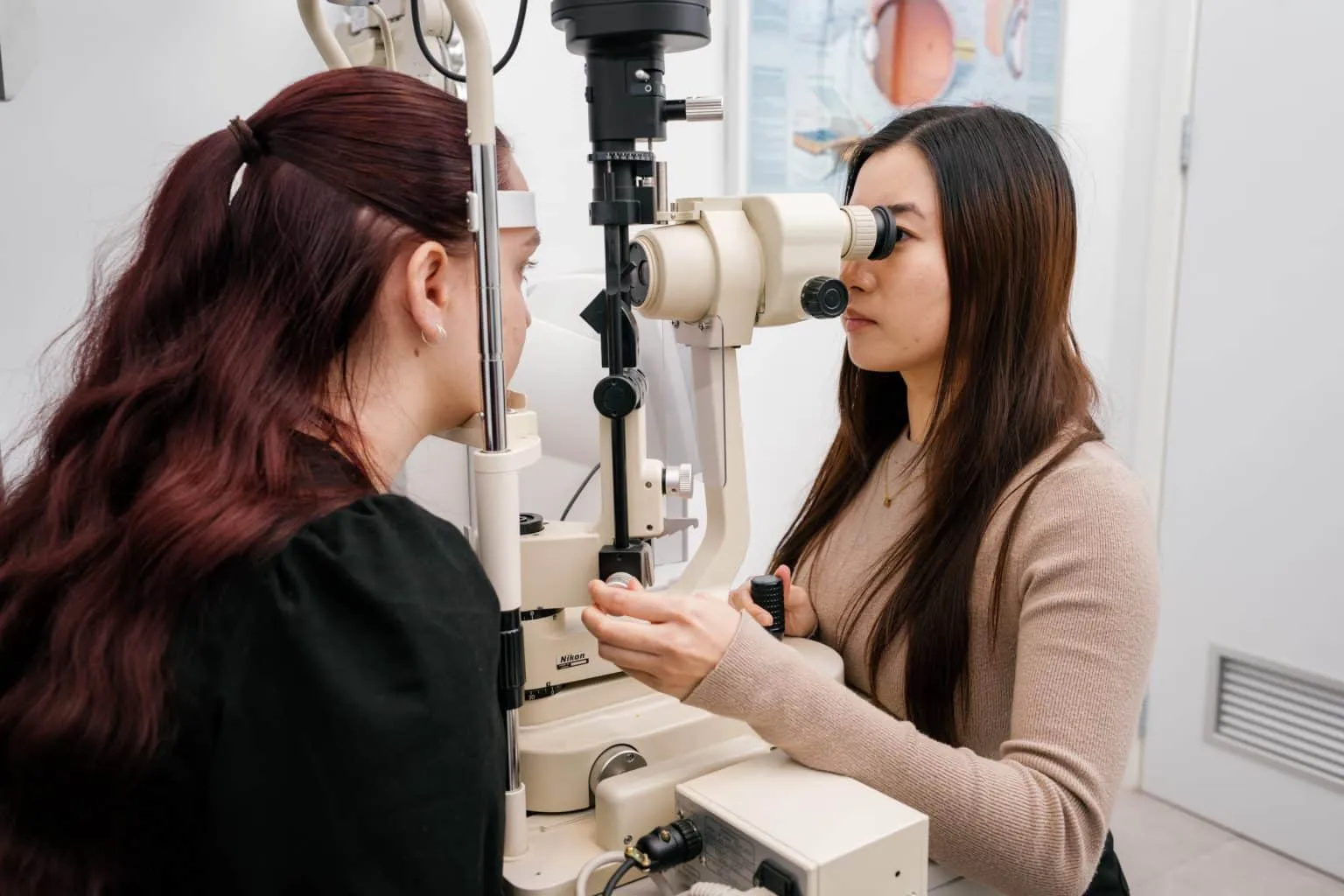
Cheadle — HD Firefly Digital Slit Lamp. Ophthalmology-grade microscope with high-definition digital recording. We show you your meibomian glands on a large screen, explaining exactly where the blockages are.
Middleton — Ocufy Diagnostic Imaging. Advanced anterior segment imaging for detailed assessment of gland structure and tear film quality.
Heald Green, Winsford & Heckmondwike — Specialist slit lamp assessment with meibomian gland evaluation and tear film quality mapping at every visit.
Every assessment includes standardised symptom scoring, lifestyle and environmental review, tear film quality mapping, manual gland function testing, severity grading, and a personalised written treatment plan in plain English.
Your investment
What's included — and what it costs
Specialist Dry Eye Assessment — £95
A dedicated 45–60 minute consultation focused entirely on understanding your dry eye. This is not a standard eye test with dry eye mentioned in passing — it’s a thorough, specialist assessment.
- Standardised symptom scoring
- Lifestyle, screen use, and environmental assessment
- Advanced imaging of your oil glands
- Tear film quality mapping
- Manual gland function testing
- Severity grading — mild, moderate, or severe
- Personalised written treatment plan, in plain English
- Home care recommendations
- All your questions answered — unhurried
You leave with a complete understanding of why your eyes are dry — and exactly what to do about it.
The EyeClean Programme — £450
If treatment is recommended following your assessment:
Three treatment sessions over six to eight weeks
BlephEx deep-clean at every visit
Medical-grade heat therapy at every visit
Manual gland expression at every visit
Progress imaging and symptom tracking
Home care kit — heat mask, lid wipes, drops
Ongoing support between visits
When you proceed with treatment
We credit £50 from your assessment towards your programme
Your assessment effectively costs £45 — less than a month’s supply of premium eye drops.
For comparison: automated treatments like IPL or LipiFlow elsewhere cost £800–£1,500.
Our programme: £450. Comparable results. Greater precision. A fraction of the price.
Your specialists
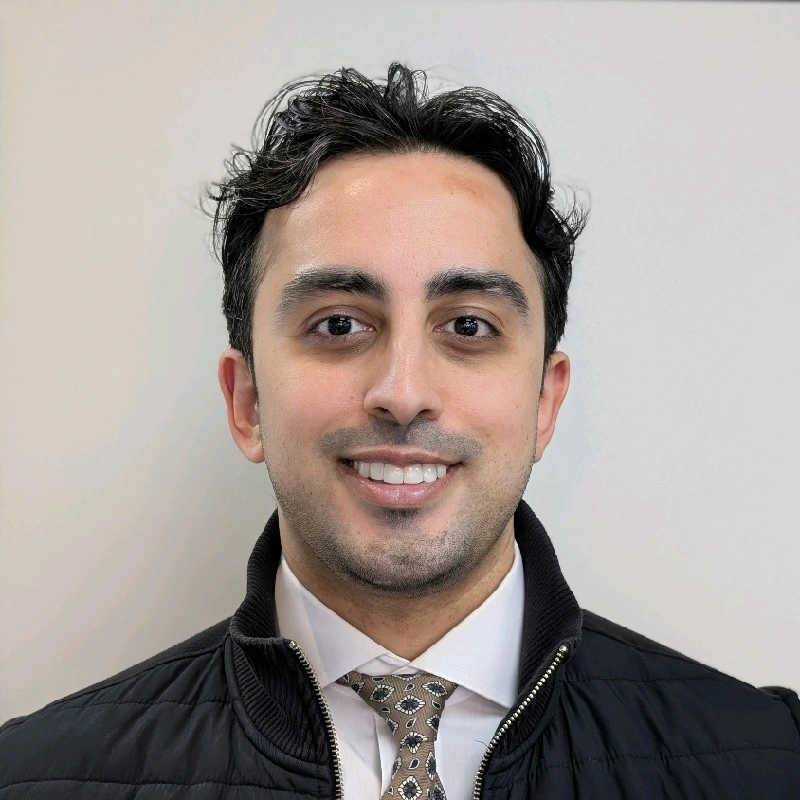
Co-Founder & Dry Eye Specialist
Sohail has been at the forefront of dry eye treatment since 2017, when he recognised that patients were suffering unnecessarily because the standard advice simply wasn’t working. He’s since trained extensively across Europe and has personally treated over 500 dry eye patients.
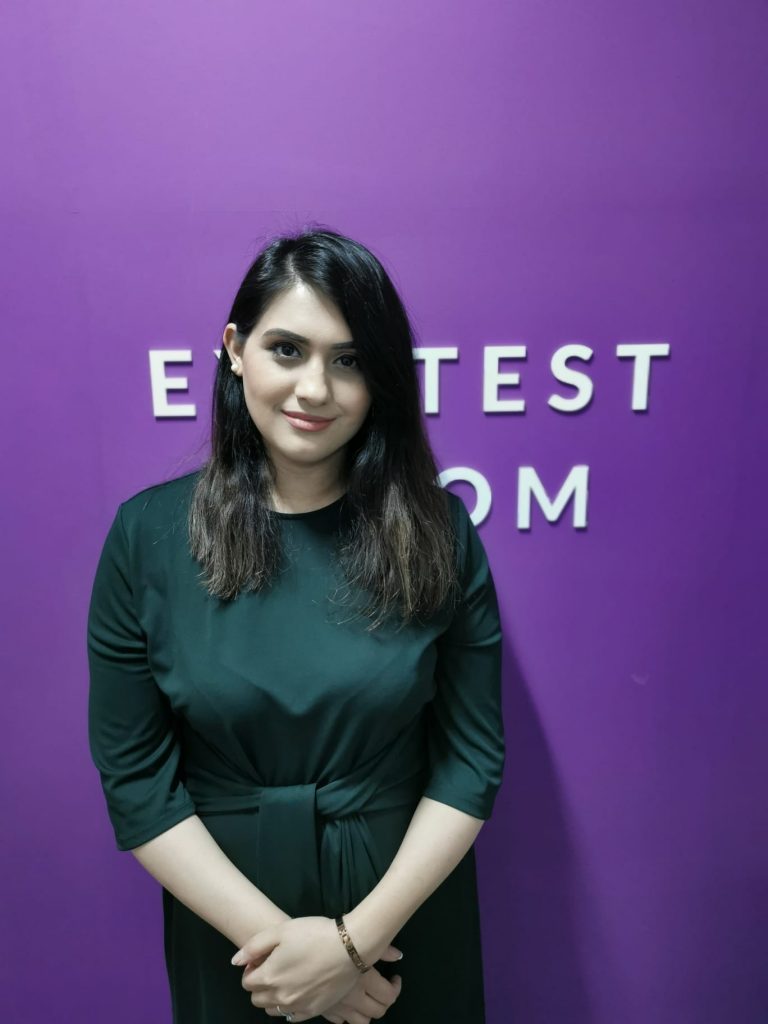
Co-Founder & Clinical Director
Arbra designed the diagnostic protocols and training systems behind the EyeClean Programme. She personally trains and mentors every optometrist who delivers dry eye treatment, ensuring the same exacting standard at every practice.
Plus seven trained optometrists across all five locations — every one personally mentored by Arbra, with regular case reviews and clinical audits.
Five clinics across Greater Manchester & West Yorkshire
- Abra & Co — Cheadle
19 Wilmslow Road, SK8 1DW · 0161 527 7355
HD Firefly imaging · Serving Stockport, Wilmslow, Bramhall
- Abra & Co - Middleton
36 Long Street, M24 6UQ · 0161 653 0771
Ocufy diagnostic imaging · Serving North Manchester, Rochdale, Oldham
- Ashworth Opticians - Heald Green
214 Finney Lane, SK8 3QA · 0161 527 7356
Serving Heald Green, Wythenshawe, Gatley
- Winsford Eyecare - Winsford
27 Delamere Street, CW7 2LX · 01606 599030
Serving Winsford, Northwich, Middlewich, Mid-Cheshire
- Armitage Opticians - Heckmondwike
14 Market Street, WF16 0JU · 01924 669649
Serving Dewsbury, Batley, Cleckheaton, Spen Valley
FREQUENTLY ASKED QUESTIONS
No. You can book directly by calling your nearest practice or using the booking form below. No GP referral needed.
That’s exactly what your specialist assessment establishes. You don’t need to know before you arrive — we’ll work it out together using diagnostic imaging and symptom scoring.
Yes — and it’s one of the most commonly missed symptoms. When your tear film is unstable, light refracts unevenly across the eye surface, causing vision to blur or fluctuate. Many patients are told they need new glasses when the real issue is their tear film. Once the glands are cleared and the film stabilises, the blurriness often resolves completely.
Yes. Every one of our five practices has trained optometrists delivering the full EyeClean Programme, specialist diagnostic equipment, and the same standardised clinical protocols.
Many patients feel improvement after the first session. The full programme runs over six to eight weeks with three visits, and results build at each stage. Most patients then maintain with a brief top-up visit every six to twelve months.
Book an assessment and let us find out. We see patients who’ve been told their symptoms are allergies, prescription-related, or simply age-related — and in many cases, the underlying cause is dry eye. The assessment is designed to give you a clear answer either way.
Ready to find out what's causing your dry eyes?
Book your £95 specialist assessment. 45–60 minutes, dedicated entirely to you.
£50 credited to your treatment if you proceed.
Cheadle: 0161 527 7355 · Middleton: 0161 653 0771 ·
Heald Green: 0161 527 7356 Winsford: 01606 599030
· Heckmondwike: 01924 669649
GOC Registered · College of Optometrists · Association of Optometrists
· BlephEx Certified Abra & Co — Independent, Family-Owned Eye Care Since 2017